ABOUT COSTA RICA

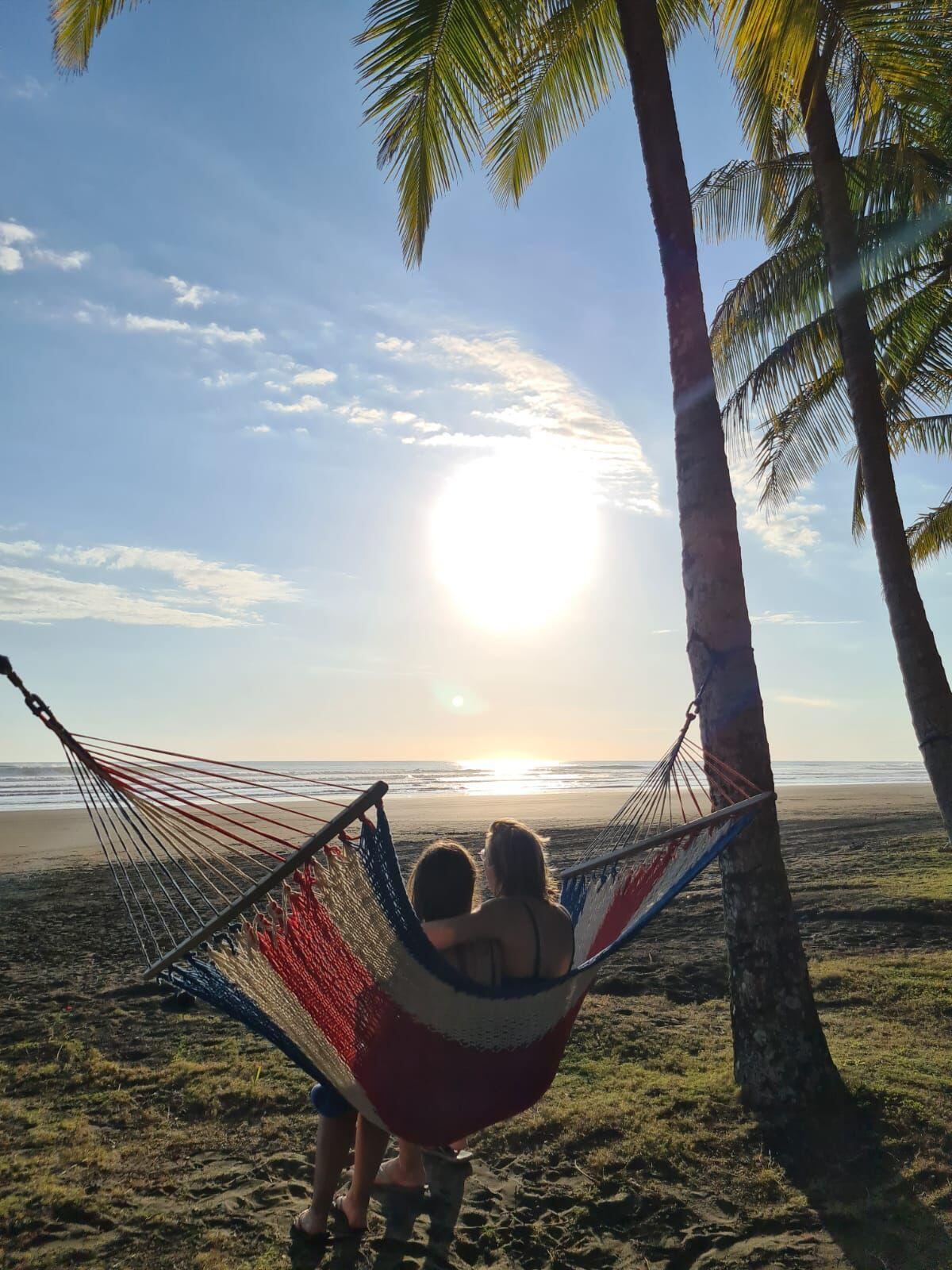
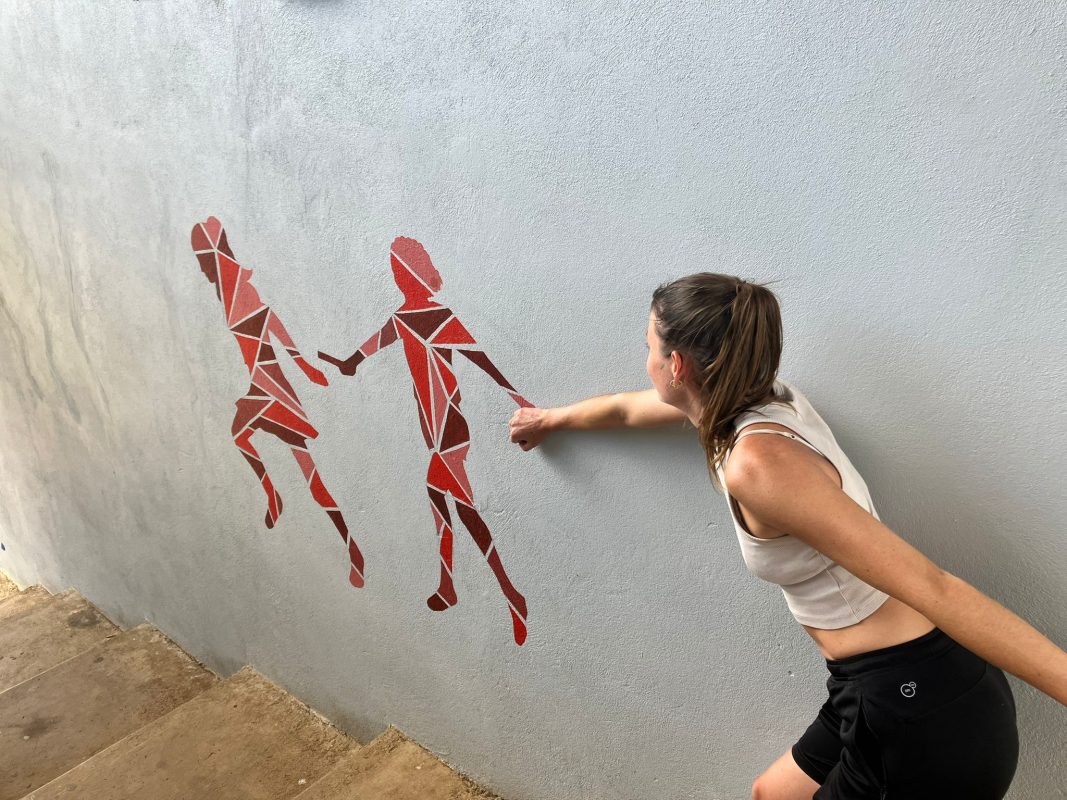
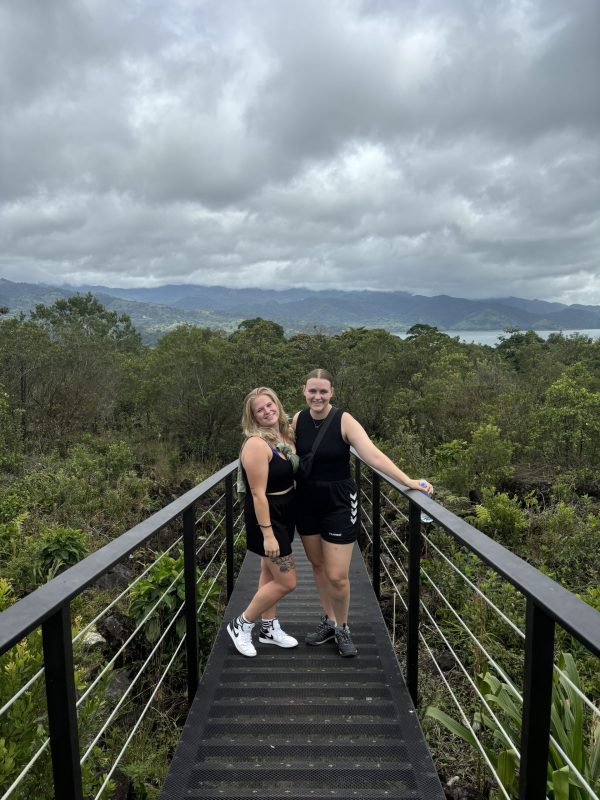
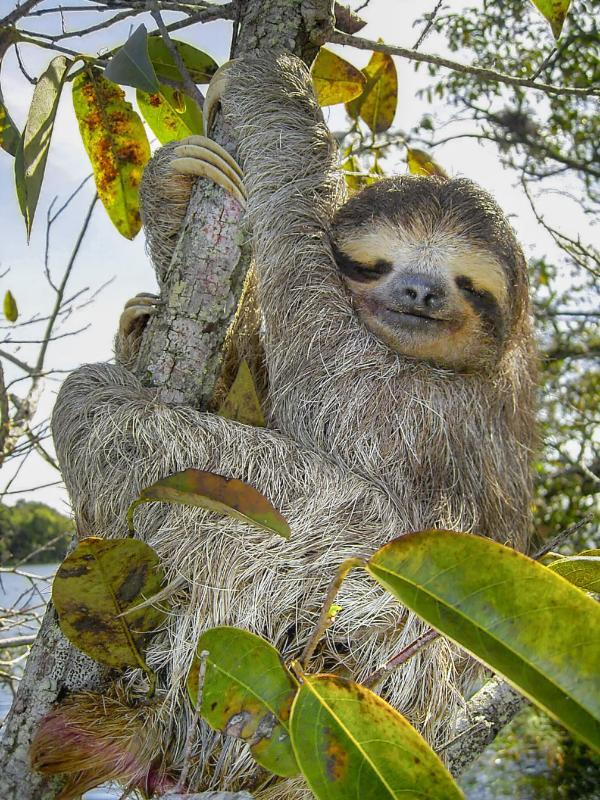
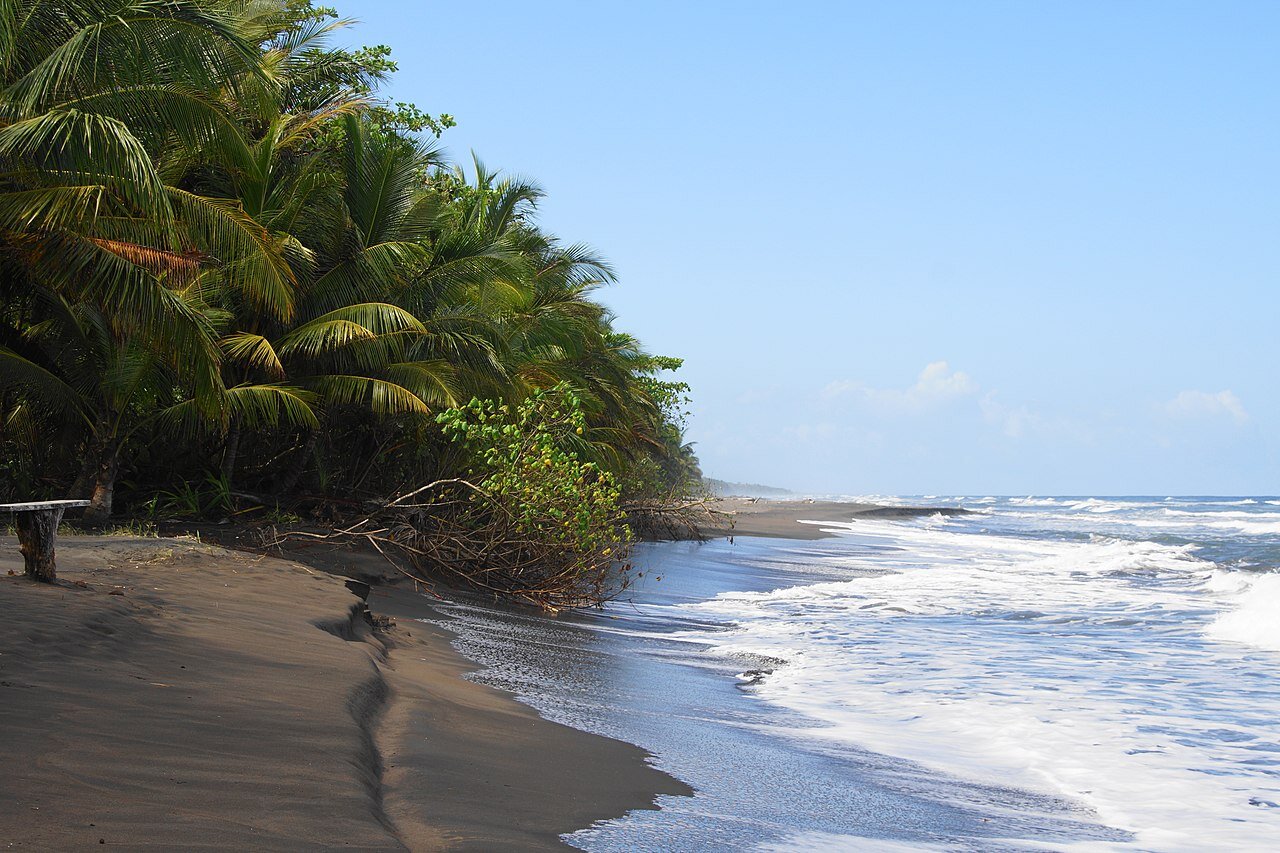
Costa Rica, an enchanting Central American country with a population of around 5 million, is known worldwide for its breathtaking natural beauty and rich biodiversity. Its appeal to travellers has grown considerably in recent years, thanks to the many adventurous things to do, such as rainforest treks, volcano expeditions and relaxing on unspoilt beaches.

What often gets overlooked is how well Costa Rica is actually doing in several important areas. The country consistently performs well on the Human Development Index (HDI), and it has one of the most progressive environmental policies in the world. It is the only country that meets all five criteria set by the United Nations Development Programme (UNDP) for measuring ecological sustainability, proof of the country’s strong commitment to protecting its natural resources and biodiversity.

Another remarkable fact about Costa Rica is that it ranked first in the 2020 Happy Planet Index (HPI). This index measures people’s wellbeing in relation to their ecological footprint, and Costa Rica excels thanks to its combination of happy, healthy lives with a low ecological impact. It shows that Costa Ricans not only live in harmony with nature, but also enjoy a high level of wellbeing.

A unique feature of Costa Rica is that it has no army. Since 1949 the country has chosen to abolish its military and invest in education, health and nature conservation instead. This has made Costa Rica one of the most peaceful countries in the world, where safety and wellbeing come first.

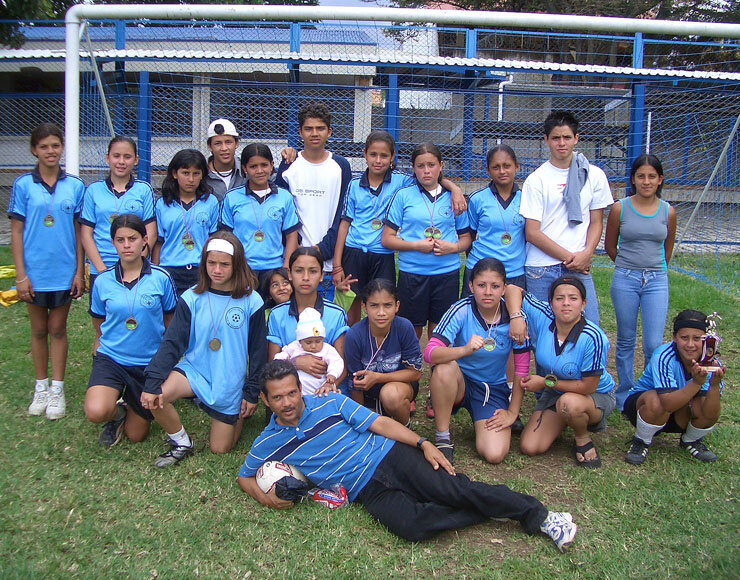
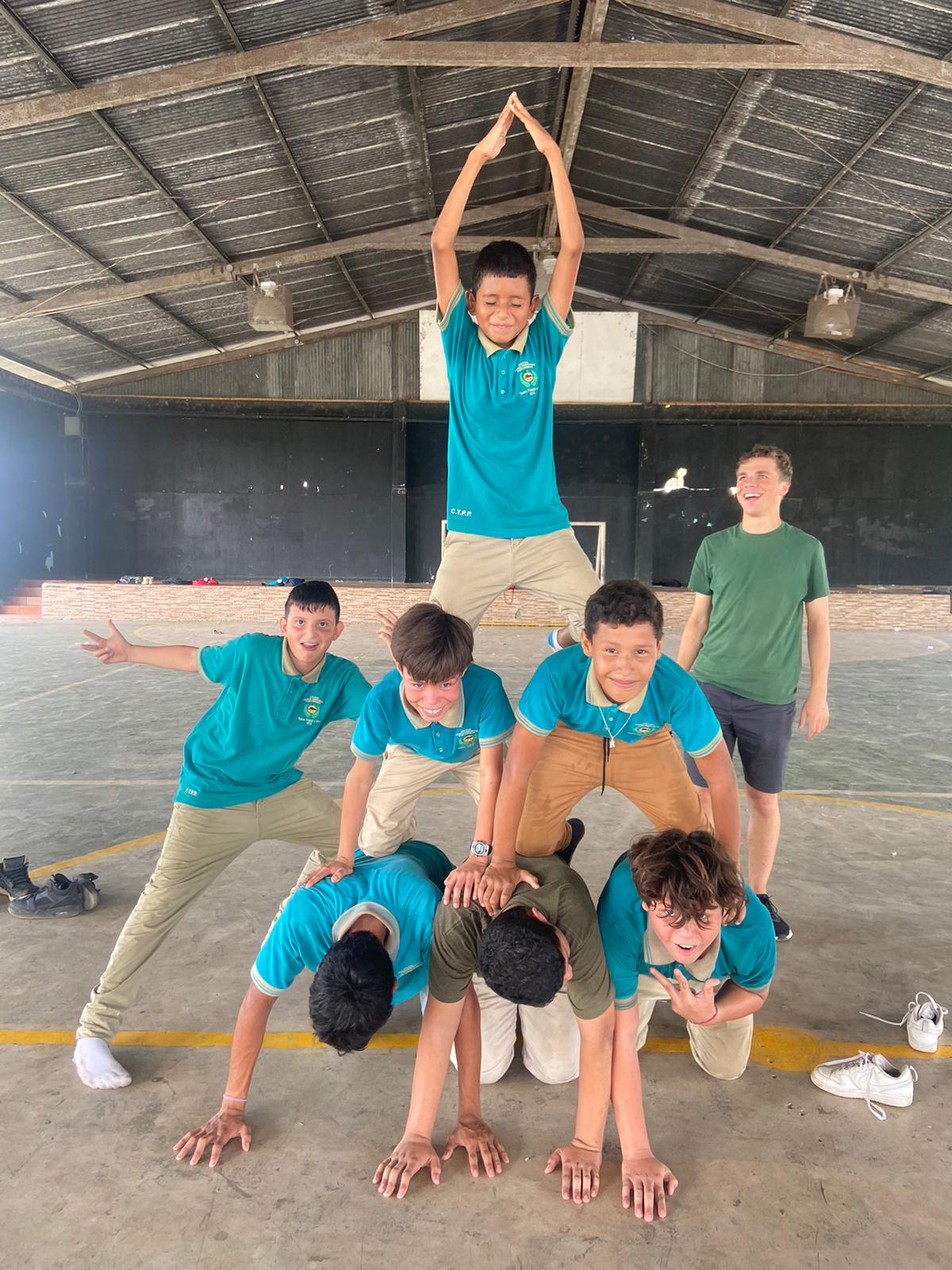
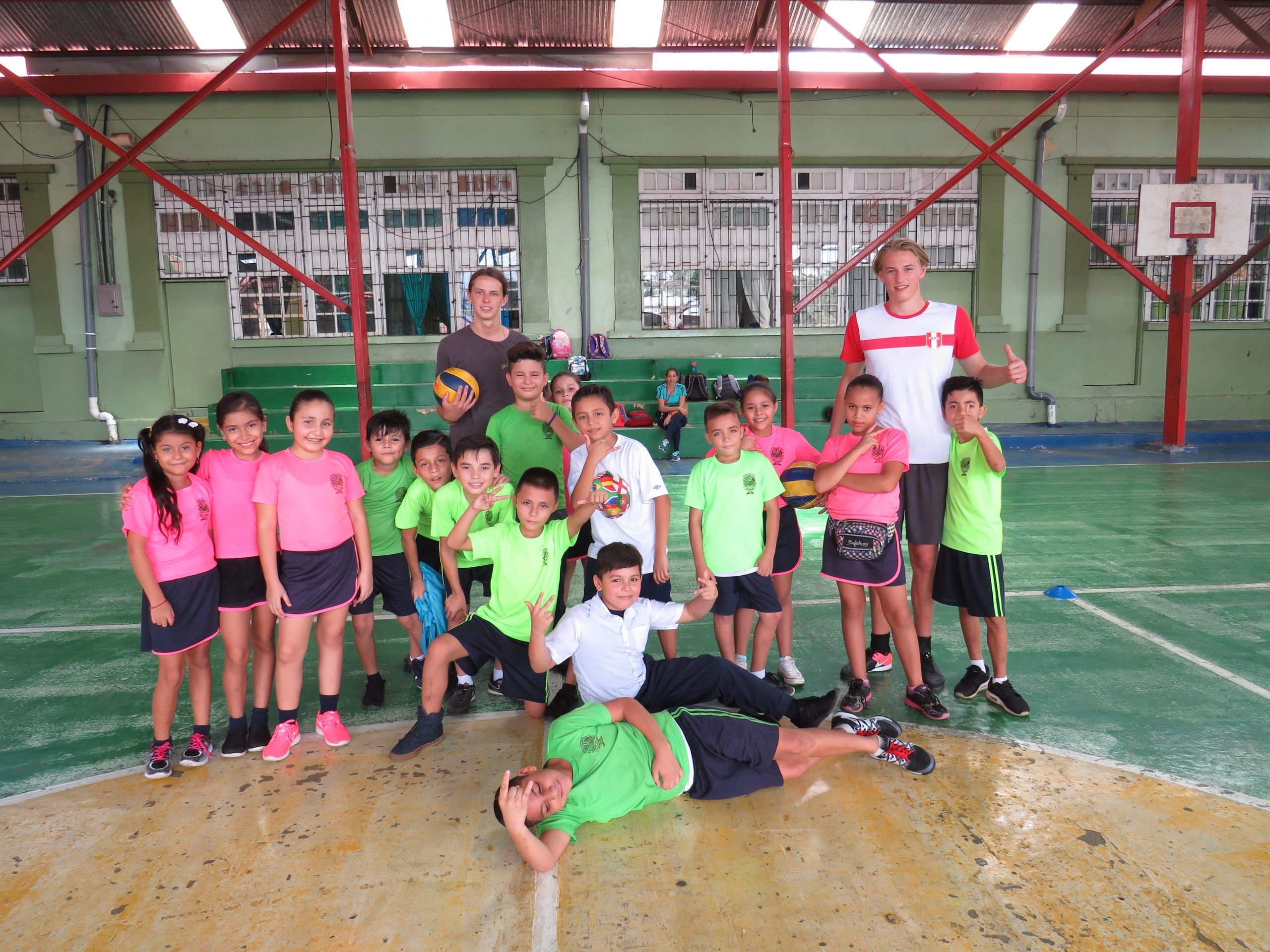
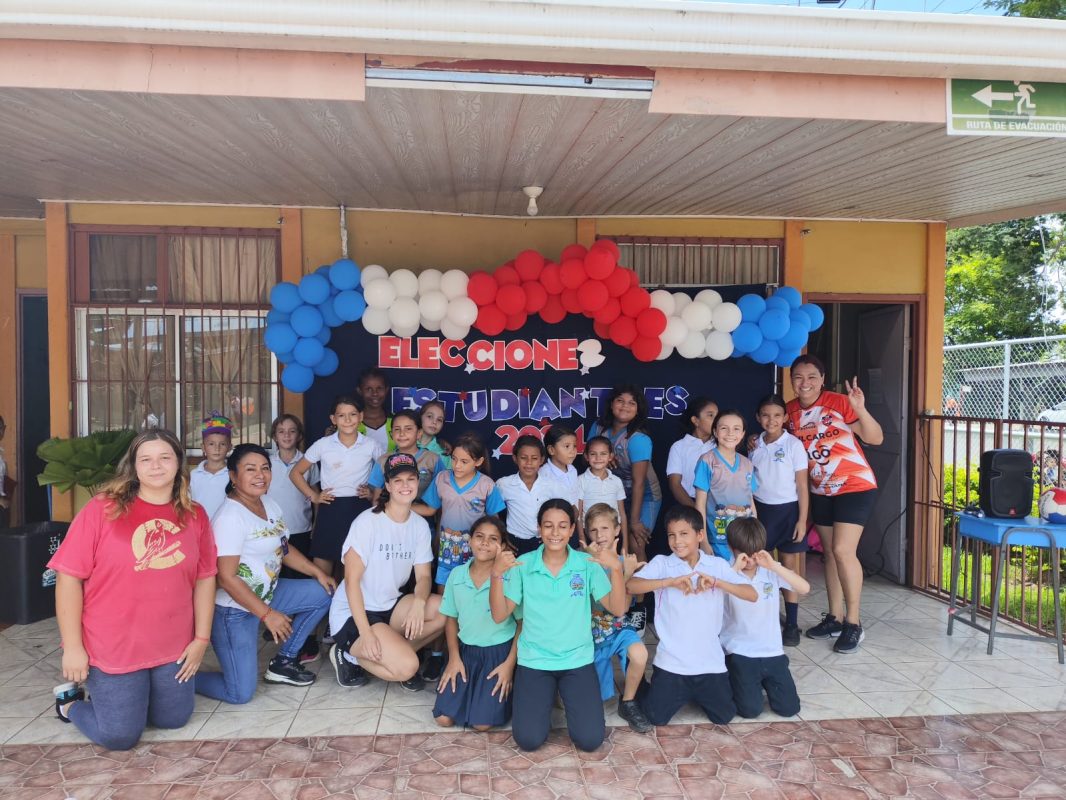
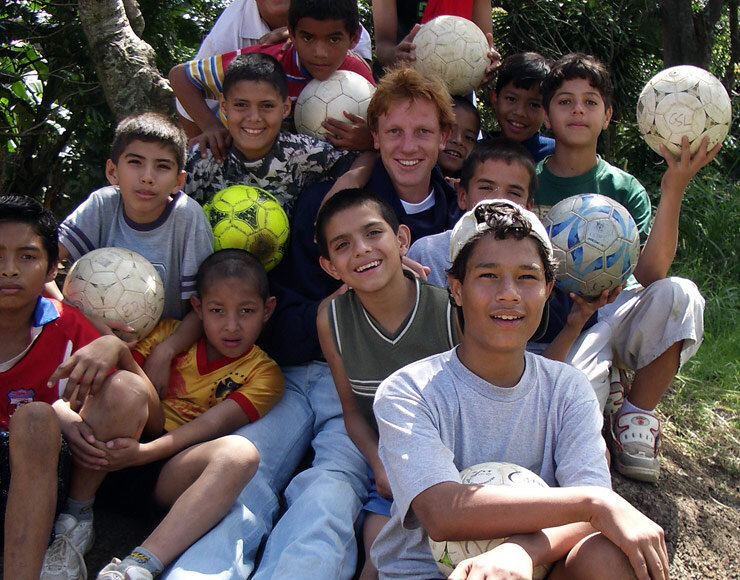
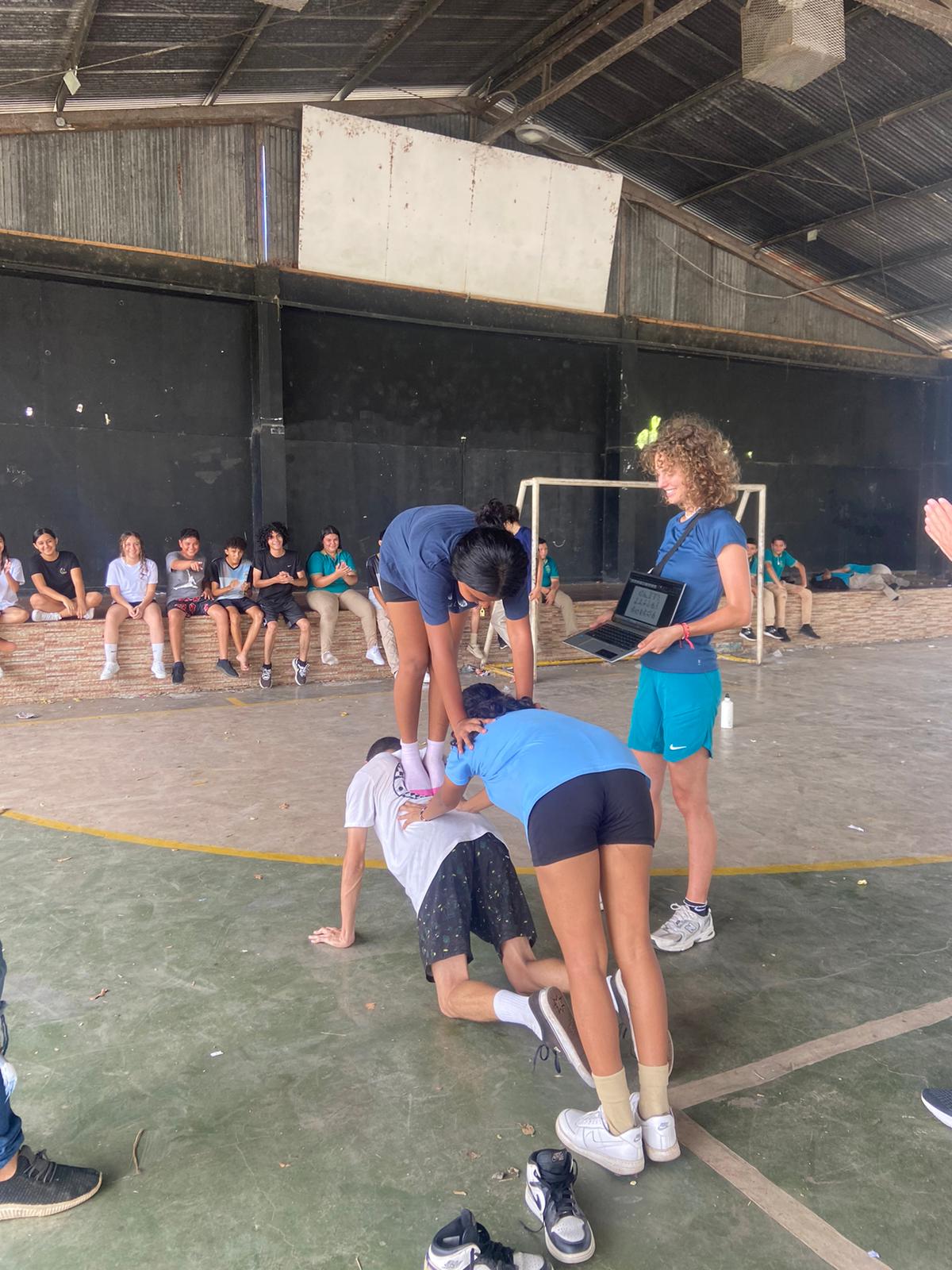
As a volunteer in Costa Rica you have the chance to make a direct impact in local communities, particularly in Esparza. Here you will work at local schools and in neighbourhoods, coaching sport to children from disadvantaged communities. The foundation you join believes in the power of sport to help children from diverse social backgrounds develop socially and build essential life skills. Through sport these children learn about teamwork, perseverance, discipline and self-confidence, skills that will serve them for the rest of their lives.

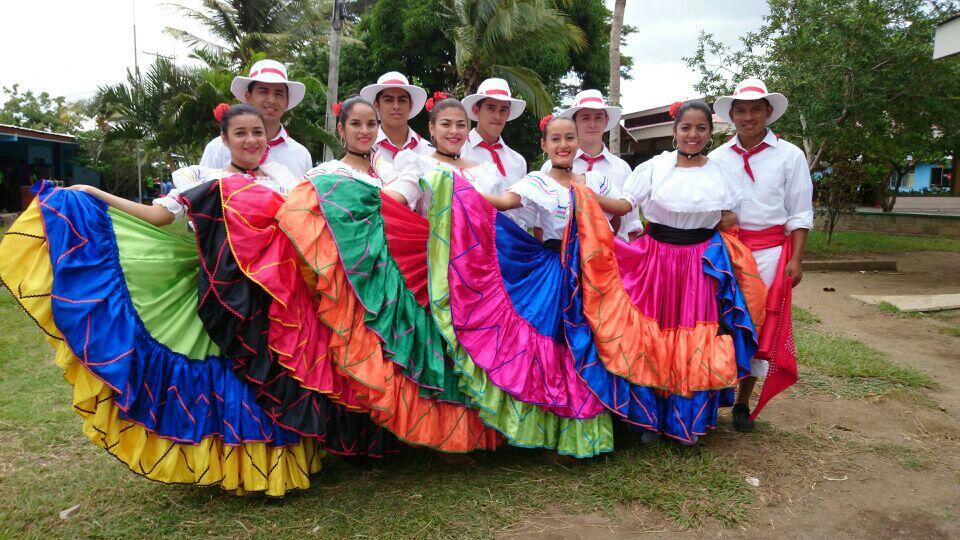
This volunteering experience is not only a chance to contribute to the children’s personal growth, but also to immerse yourself in Costa Rica’s rich culture and nature. You will experience the warmth of the local people, get to know the language and traditions, and enjoy the beautiful landscapes the country has to offer. Your efforts will make a difference not only in the lives of the children but also in your own, through the valuable lessons and memories you gain on this special journey.
Sport in Costa Rica

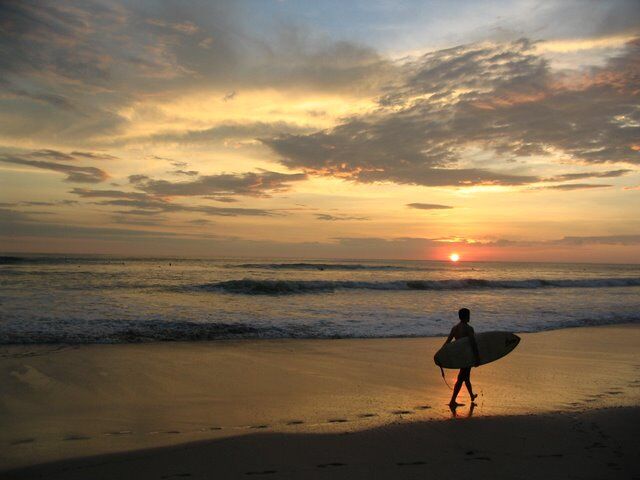
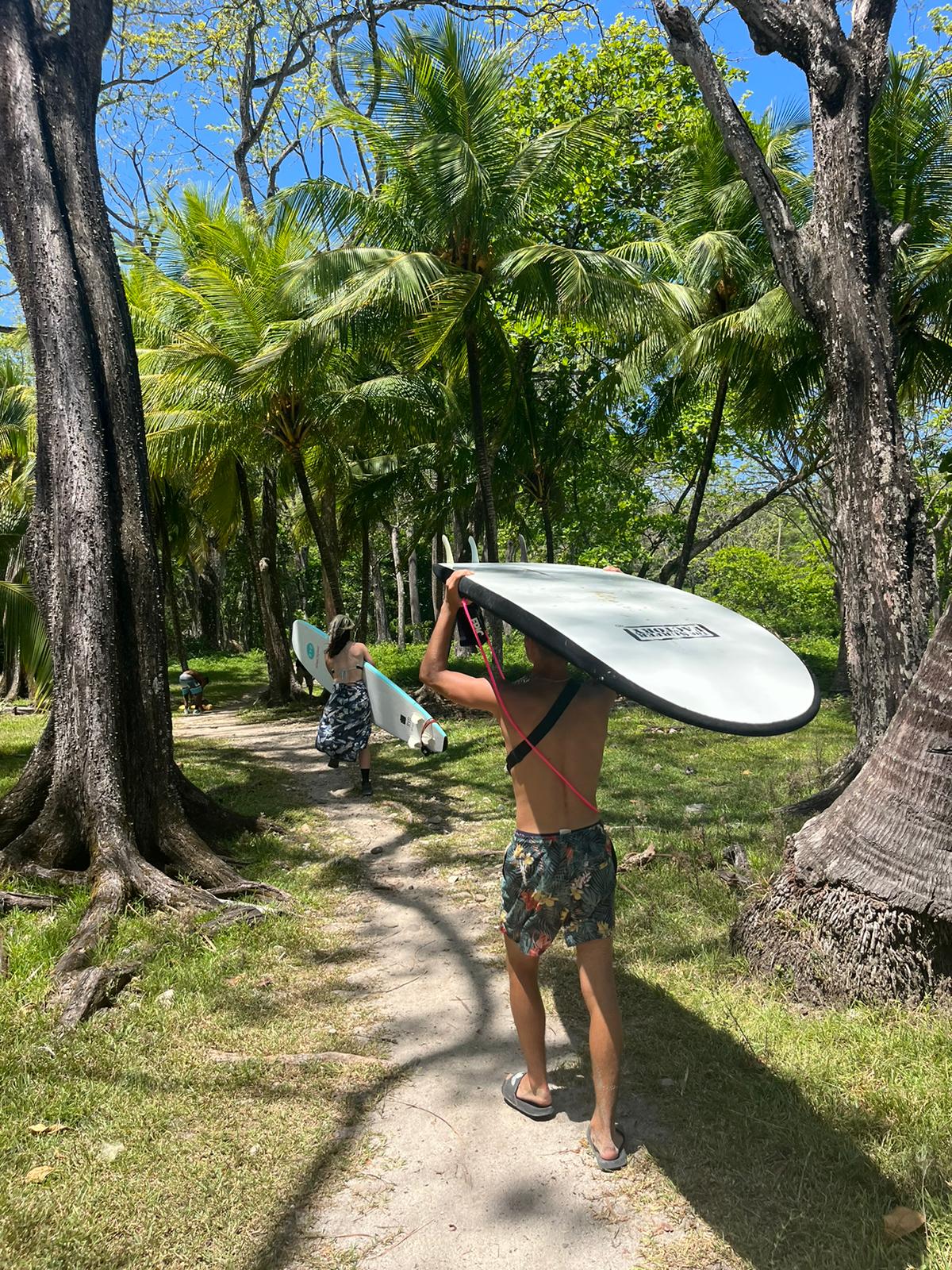
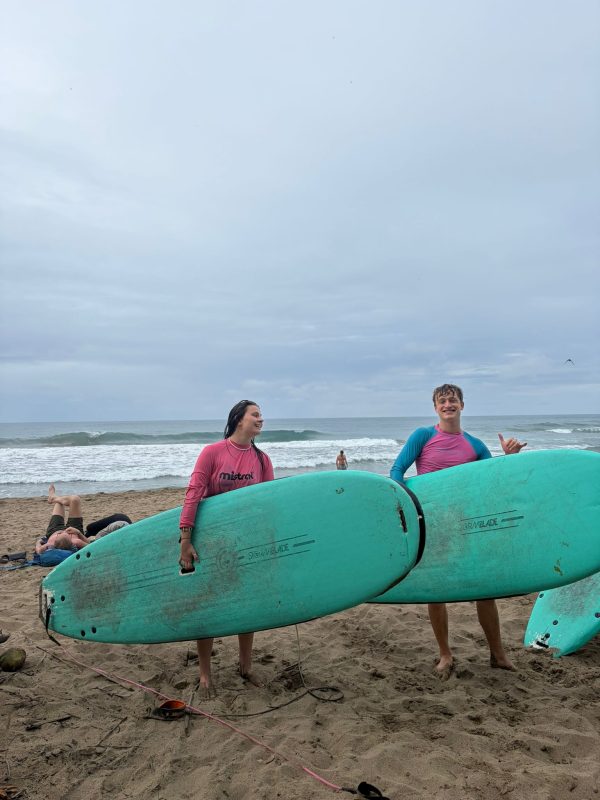
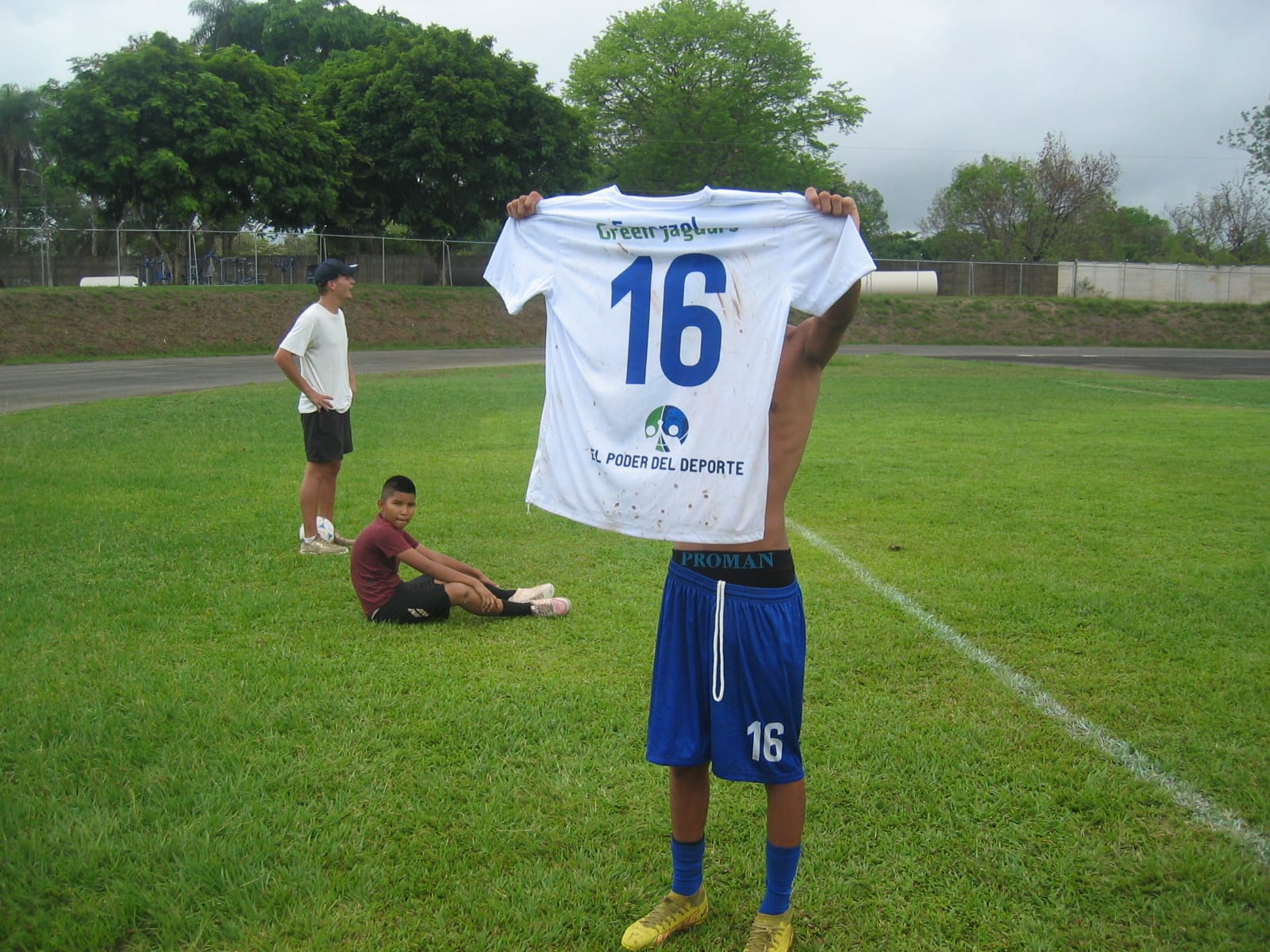
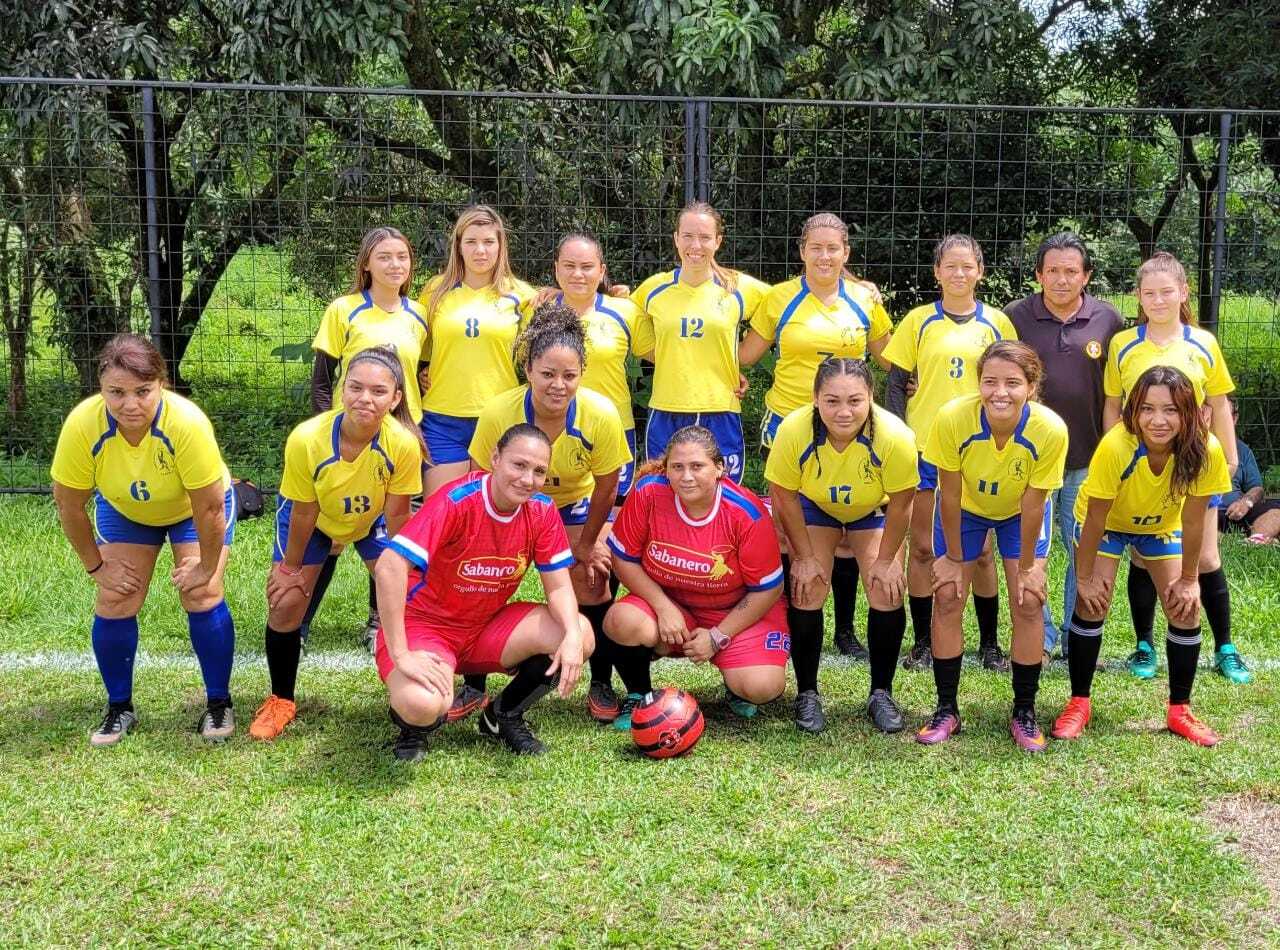
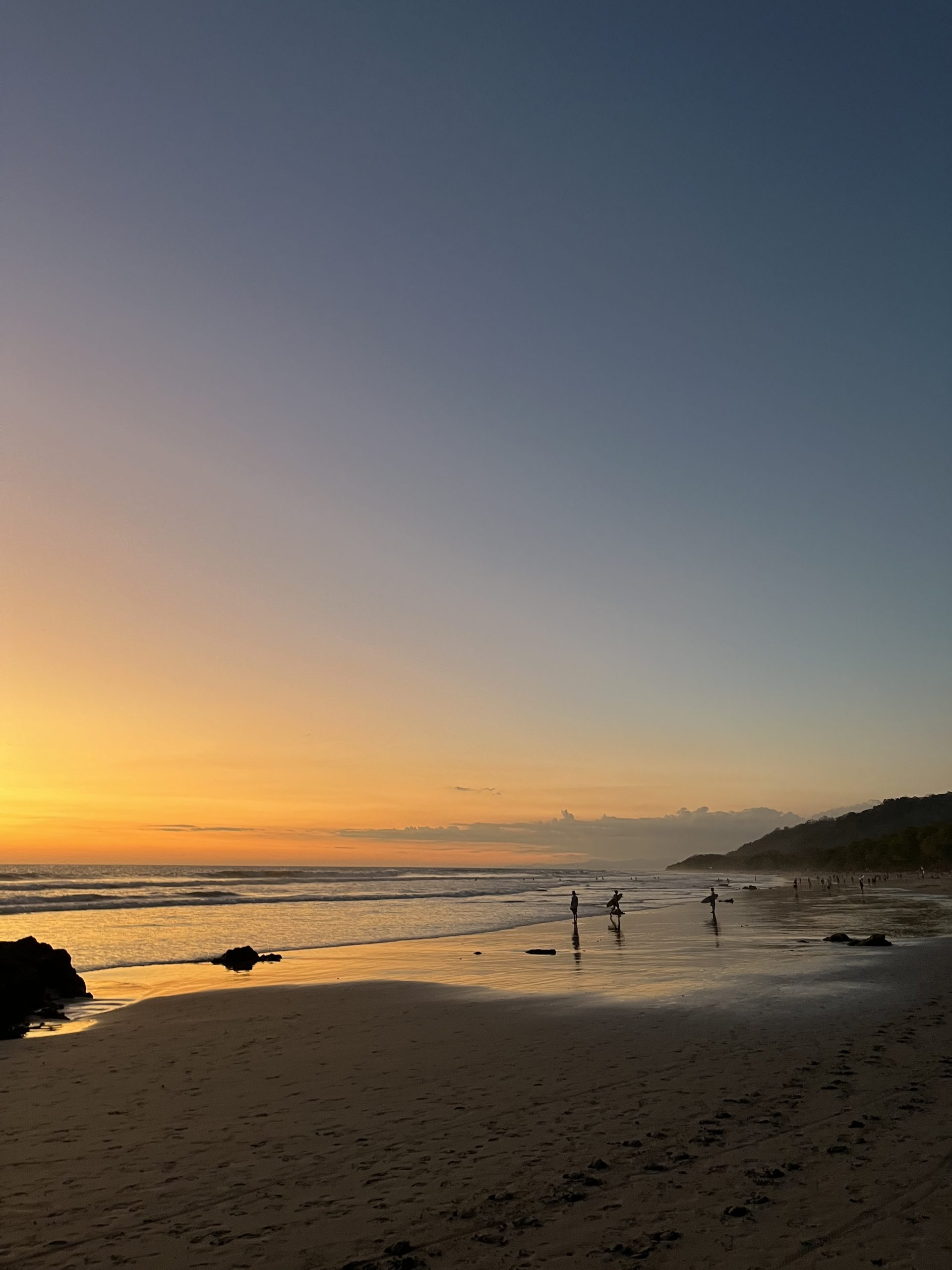
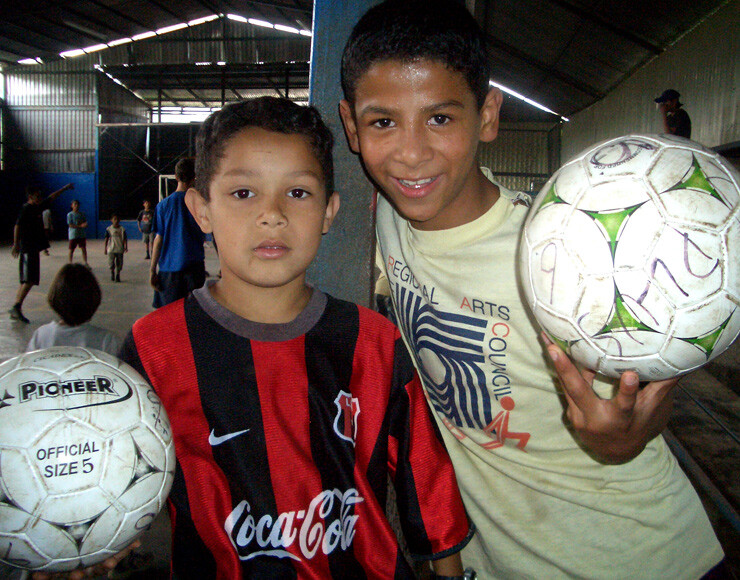
Fútbol, as it is called in Spanish, is by far the most popular sport in Costa Rica. The Ticos (Costa Ricans) have been playing football since around 1876, when Spanish colonists brought their love of the game to Costa Rica. Costa Rica does well internationally and often qualifies for the World Cup, with captain Bryan Ruiz, well known from his years in Dutch football. If you want to make friends with a Tico quickly, just ask about their favourite fútbol team, and whatever you do, do not disagree! Surfing comes second, especially for those living on the Pacific or Caribbean coast. Costa Rica has been one of the best places in the world to surf for decades, attracting millions of visitors every year to its 40 mapped surf beaches. As in other former Spanish colonies, the heavily criticised bullfighting is popular. Costa Rica, however, has its own progressive take on the “sport”: there are bullfights in Costa Rica, but the bull is NEVER harmed!

Apply
Experience Costa Rica

Athletics coach

Athletics is one of the most popular sports in the world, and in Costa Rica it is close to many people’s hearts. Costa Rican athletes such as the well-known sprinter Neshy Lou and marathon runner Adrián Rodríguez have delivered impressive performances internationally, despite the athletics community being smaller than in other countries.

In Costa Rica athletics is often practised with passion, but the structured coaching that could help many athletes get the most out of their talent is lacking. As a volunteer in Costa Rica you get the chance to teach the basics of athletics while learning about the local culture and the “pura vida” way of life.

What will you do?

As a volunteer athletics coach in Costa Rica you support all disciplines on the track. This means you will be actively involved in both the technical and the physical training of athletes. You learn how to deliver functional strength training and how to use the club’s facilities, including a swimming pool used for resistance training. This gives the athletes the opportunity to develop their endurance and strength in a different way, an important part of athletics training.

You will assist with sessions for beginner athletes and experience disciplines such as running, long jump, high jump, shot put and javelin up close. You will also be actively involved in supporting athletes at meetings and competitions. There is often a lack of knowledge about training methods and structure, and your contribution will help the athletes not only improve their technique but also enjoy the sport more.

Athletics sessions take place five days a week and usually last three to four hours a day. You work with children and young people who are all keen to learn and improve. The sessions are mainly held on local athletics tracks, but also outdoors depending on the conditions.

The athletes are motivated, but bringing structure and improving technical skills is where you as a volunteer can make a difference. You will get plenty of support from other volunteers and local staff, who will help you organise sessions and coach the athletes.

What else can you do?

You can always combine your programme with other sports or with helping to teach English. At weekends you are free to explore Costa Rica. The country offers incredible nature, beautiful beaches, volcanoes, rainforests and a rich culture. You can join cultural or adventure trips organised especially for volunteers. These trips are a unique chance to get to know the country better and learn more about local communities and their traditions.

Basketball coach

Basketball is hugely popular worldwide, and in Costa Rica too enthusiasm for this dynamic and strategic team sport is growing. Although football usually gets the most attention, basketball is a fast-growing sport played by young and old. Its mix of technique, speed and teamwork makes it a challenging and fascinating sport for players and coaches alike.

Costa Rica has many young talents with a passion for basketball, but there is often a lack of structured training and good coaching. This is where you as a volunteer can play an important role. You can help develop the players’ skills and also build their confidence and team spirit, while getting to know Costa Rican culture and the relaxed “pura vida” lifestyle yourself.

What will you do?

As a volunteer basketball coach in Costa Rica you work with players of all ages and ability levels. You lead sessions focused on improving technique, speed, fitness and tactical play. The focus is on developing skills such as dribbling, passing, shooting and defending, as well as teamwork and reading the game.

In your sessions you give both beginners and more experienced players the chance to develop. You help them improve not only the technical side of basketball but also their physical and mental preparation for matches. Sessions usually take place five days a week and last three to four hours a day. Each day has a specific theme, such as attacking techniques, defence or conditioning.

What else can you do?

As well as coaching, you can also get involved in other projects, such as organising local tournaments or helping with English lessons. In your free time Costa Rica offers plenty of opportunities to relax and explore the country. Think of walks through lush rainforests, swimming at tropical beaches or visiting impressive volcanoes. You can also join cultural or adventure excursions organised especially for volunteers.

This unique experience gives you the chance to make a lasting impact on young athletes while enjoying everything Costa Rica has to offer. Bring your passion for basketball to the court and discover how valuable your contribution can be!

Sport for older people

Sport for older people and promoting an active lifestyle in later life are increasingly recognised as important. First, there is better physical health: regular exercise helps improve overall health, maintain muscle strength and reduce the risk of chronic conditions such as heart disease, diabetes and osteoporosis. The social side matters a great deal too: sport gives older people a wonderful chance to meet new people, keep up social contacts and feel less lonely. Then there is mental health: physical activity can contribute to better mental health, reduce stress and lift the mood. It also builds self-confidence: by taking part in sporting activities, older people can grow in confidence and feel a sense of achievement. And finally, it is good for mobility and independence: regular exercise helps people stay mobile and live independently for longer.

This programme is an initiative of Baowei Mooren, a former university of applied sciences student who spent six months in Costa Rica and set it up.

What will you do?

As a volunteer on the sports programme for older people in Costa Rica, you are responsible for leading all the sports and games activities for the older participants.

The reward is wonderful, because this is the only sports and games activity these older people are offered. By bringing structure and organising fun activities, it quickly becomes a lively social occasion. You get plenty of support from the other volunteers and our local staff and partners.

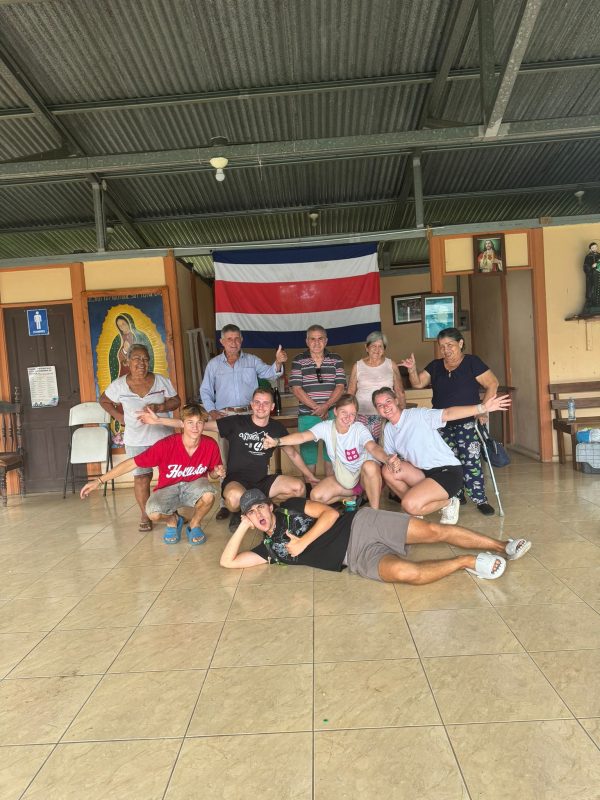
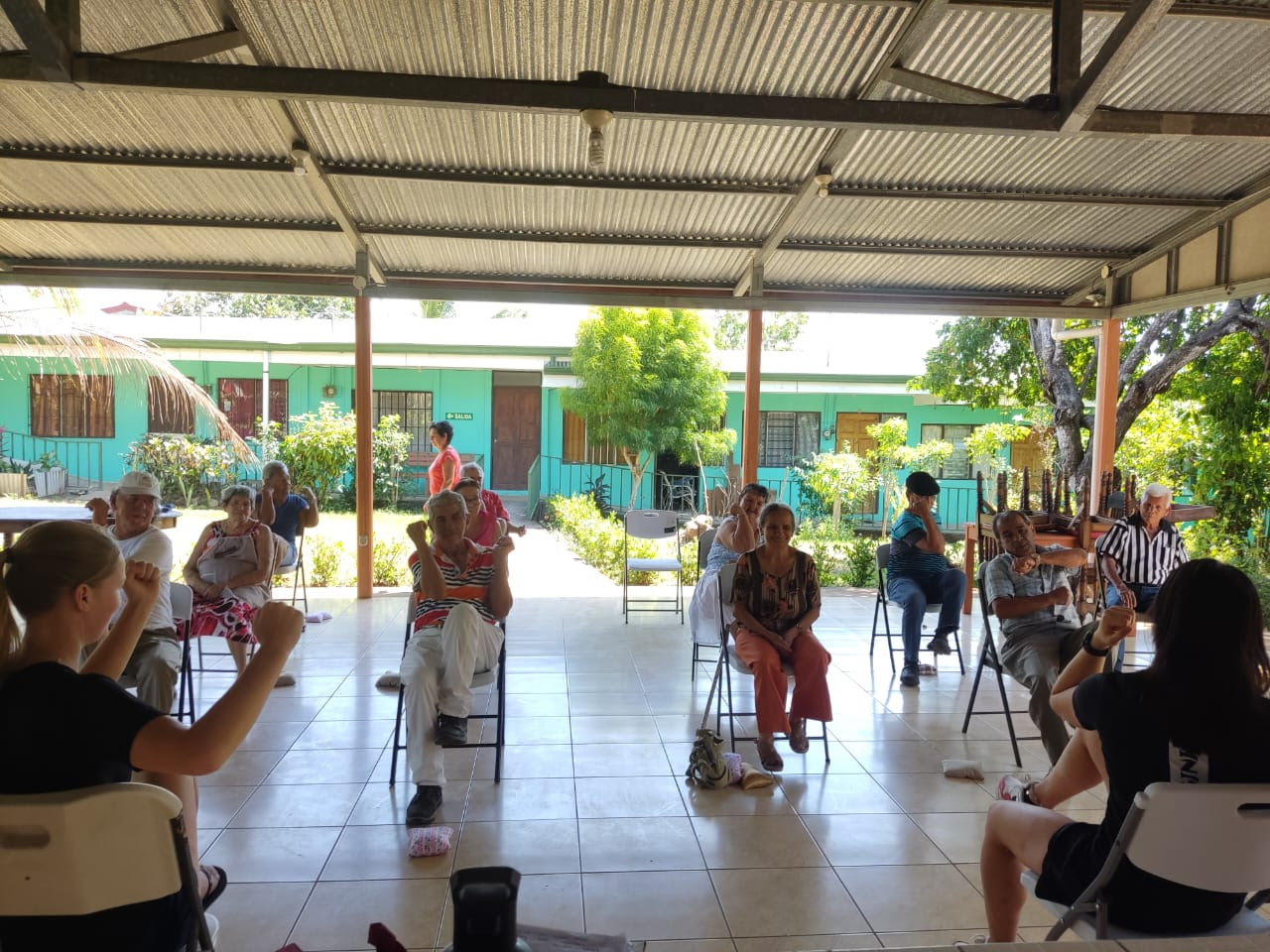
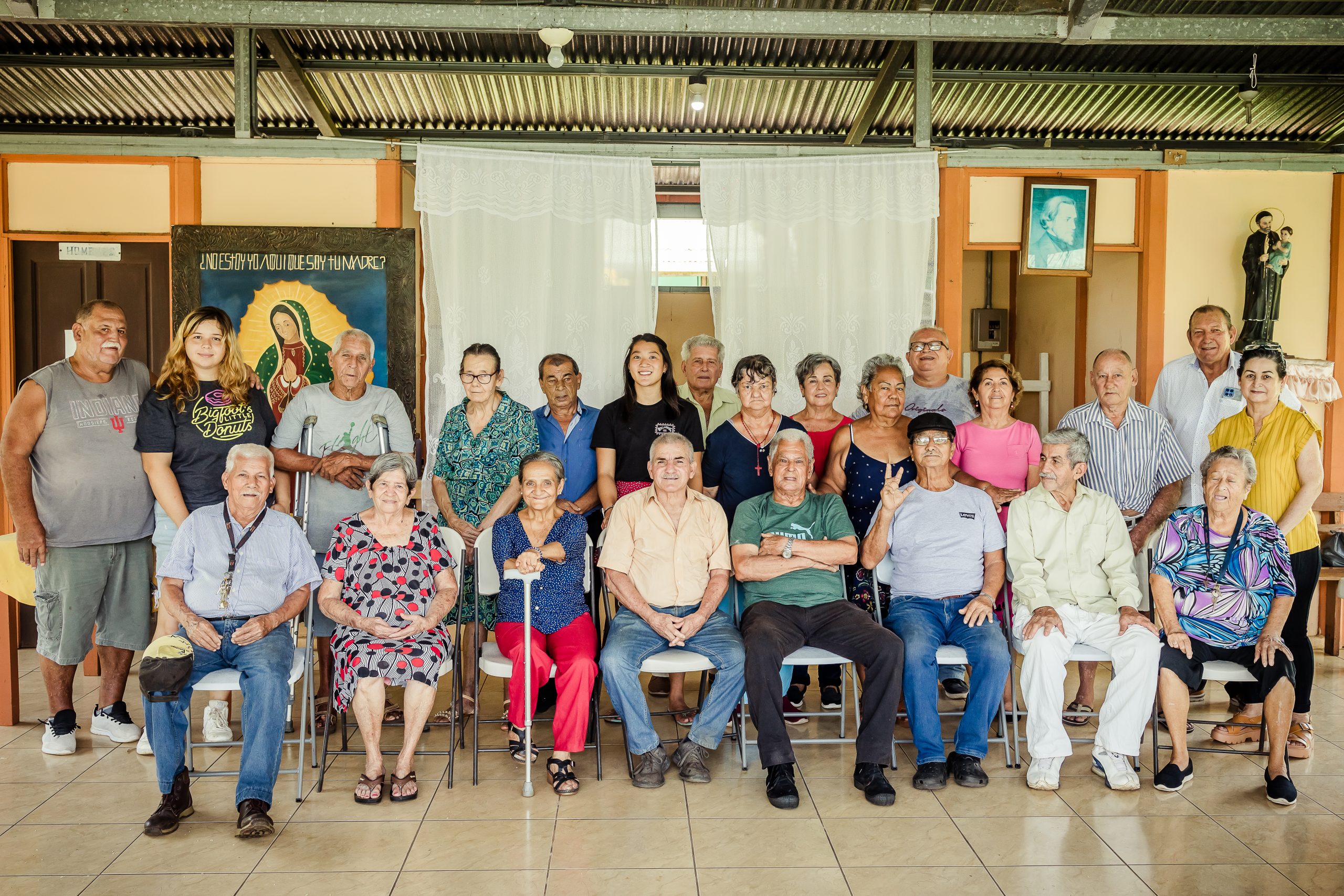
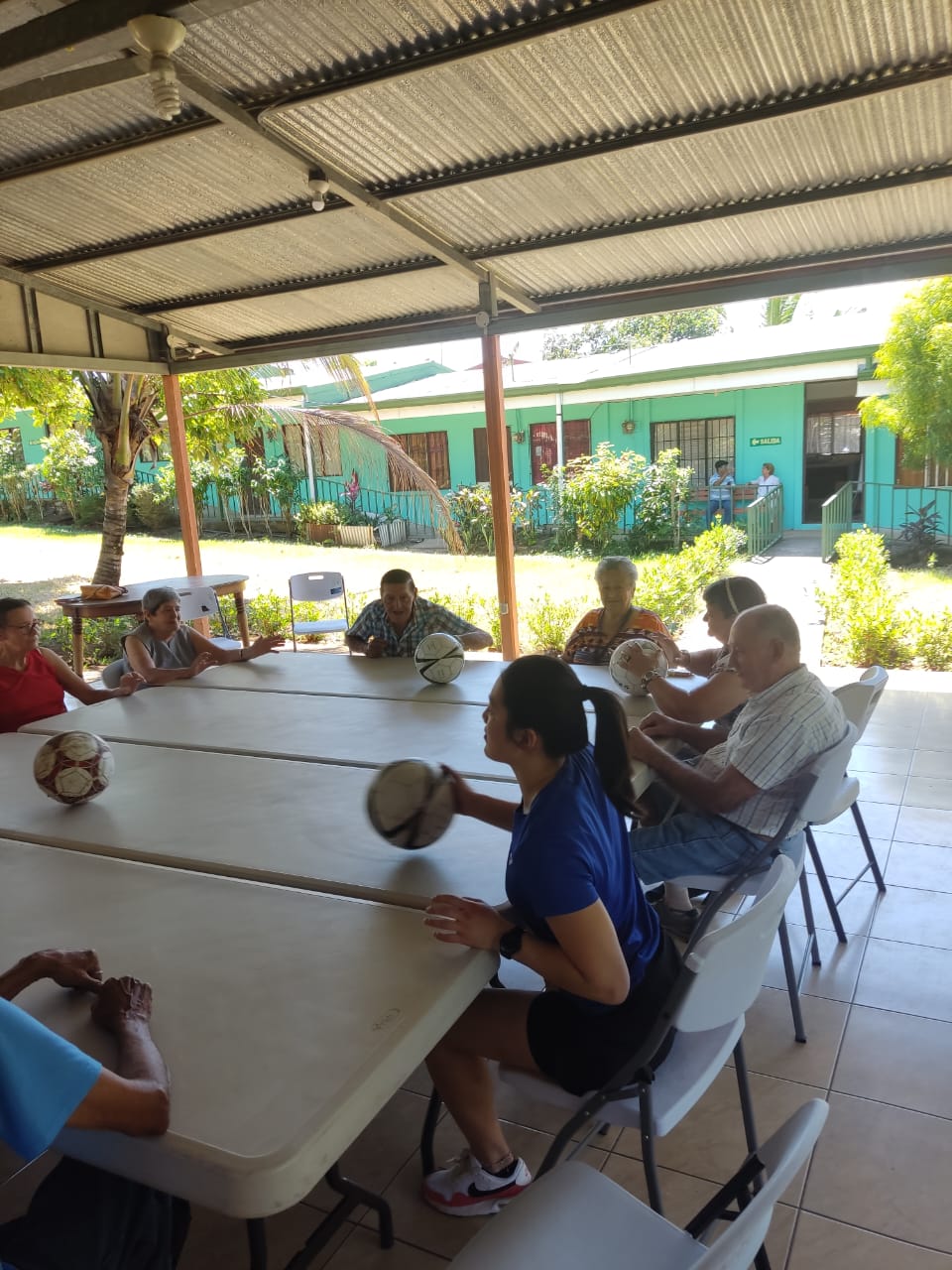
The sports and games sessions take place 2 to 3 times a week in the courtyard of a care home for older people on low incomes. Around 10 people aged between 70 and 90 take part in each session. Because the activities are so well received, you will soon become a familiar face locally.

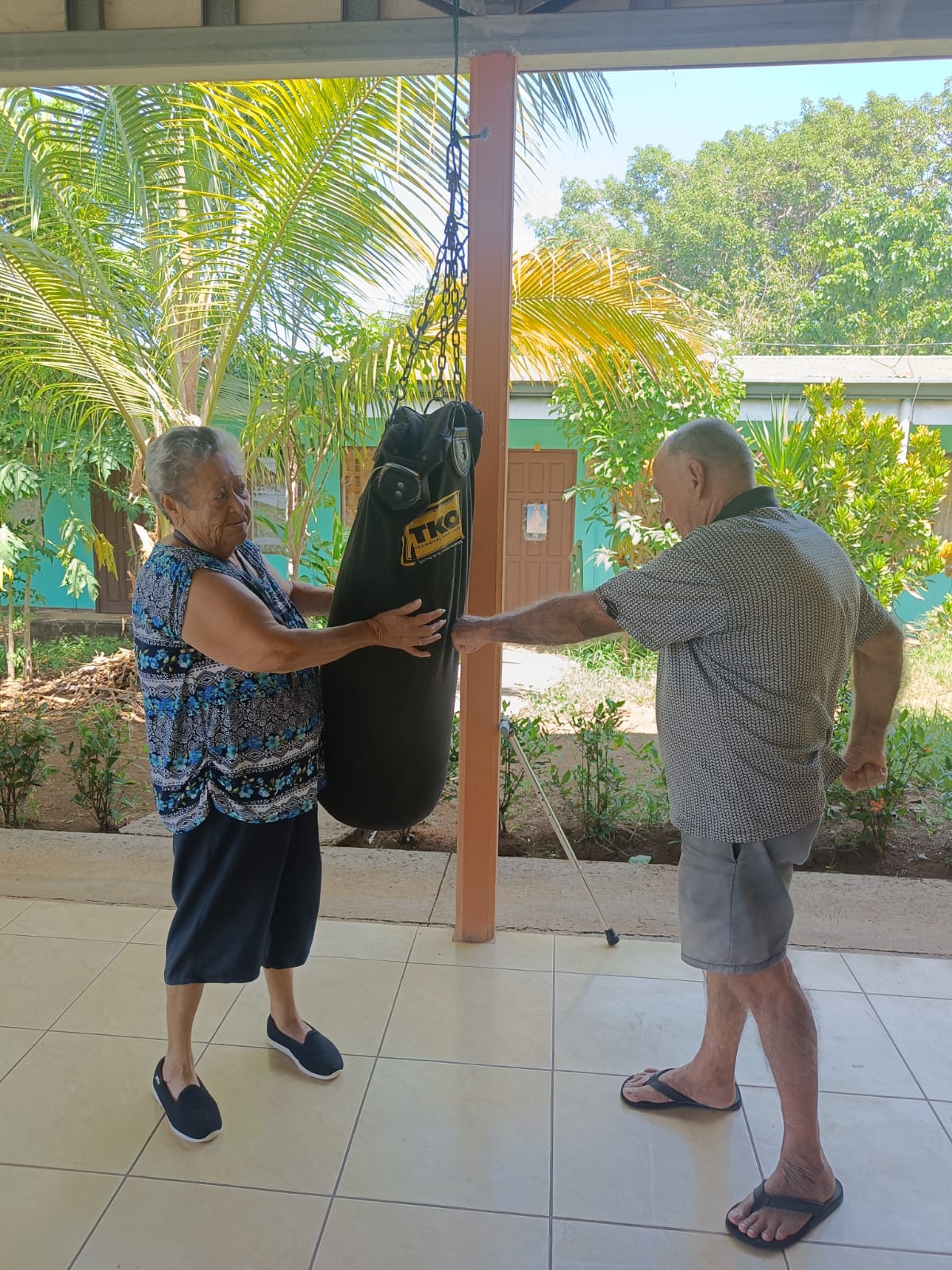
In the morning, while the participants are still fresh, there are sports activities such as fitness, boxing and strength exercises. In the afternoon there are more games, such as skittles, shuffleboard and painting. There is a handbook with suggested activities, but you are of course free to come up with and run your own.

Because you can take part in this project 2 to 3 days a week, we recommend also joining other projects that benefit the local community. Teaching English alongside this project is very popular, but you can also help with the construction project.

At weekends you are free to go wherever you like, but we highly recommend joining our (cultural) trips. They are designed to help you get to know the country better and always benefit local people. You will not find these trips in the guidebooks, so if you are a bit more adventurous, they are a great extra to your volunteering in Costa Rica.

Table tennis coach

Table tennis is loved all over the world, and in Costa Rica too the sport has a firm place in many people’s hearts. The fast pace, technical skill and intensity of the game make table tennis a challenging and fun sport. Costa Rica has some talented players, but as in many countries there is a need for more structured training and coaching to realise the full potential of young players.

Costa Ricans have a great passion for sport, and table tennis is a great opportunity to strengthen the local sporting scene while passing on knowledge and experience. As a volunteer you get the chance not only to teach the basics of table tennis, but also to learn a lot in an elite class where you can discover the finer points of technique and coaching yourself.

What will you do?

As a volunteer table tennis coach in Costa Rica you help with lessons where lots of children are happily hitting the ball around. The children are enthusiastic and eager to learn, but structured coaching and specific technical knowledge are often missing. You will help them develop their basic skills, from learning the right grip to improving their stroke technique and footwork.

You also get the chance to assist in the elite class, where you can learn a lot about technique and coaching. These classes are for advanced players who want to take their game to the next level, and as a volunteer you will learn a great deal about advanced training methods and coaching athletes of different ability levels. The experienced coaches who lead these elite classes will guide you and teach you the tricks of the trade.

Sessions take place five days a week and usually last three to four hours a day. As well as table tennis technique and tactics, you will also work on improving the players’ physical fitness, as endurance and strength play an important part in success at table tennis.

What else can you do?

You can always combine your programme with other sports or with helping to teach English. At weekends you are free to explore Costa Rica. The country offers incredible nature, beautiful beaches, volcanoes, rainforests and a rich culture. You can join cultural or adventure trips organised especially for volunteers. These trips are a unique chance to get to know the country better and learn more about local communities and their traditions.

Football coach

You may remember Los Ticos facing Holland in the World Cup quarter-final, a match that was eventually decided on penalties. Internationally, Costa Rica always punches above its weight. Costa Ricans have a real passion for football. They have excellent players such as captain Bryan Ruiz, who also spent years at PSV and Fulham.

Football is played and debated all over Costa Rica, but it is rarely possible to play in a structured way or take part in training sessions. That is why coaching football in Costa Rica is an excellent way to spend meaningful time helping the next generation take their basics to a higher level, while immersing yourself in Costa Rican culture and the “pura vida” way of life.

What will you do?

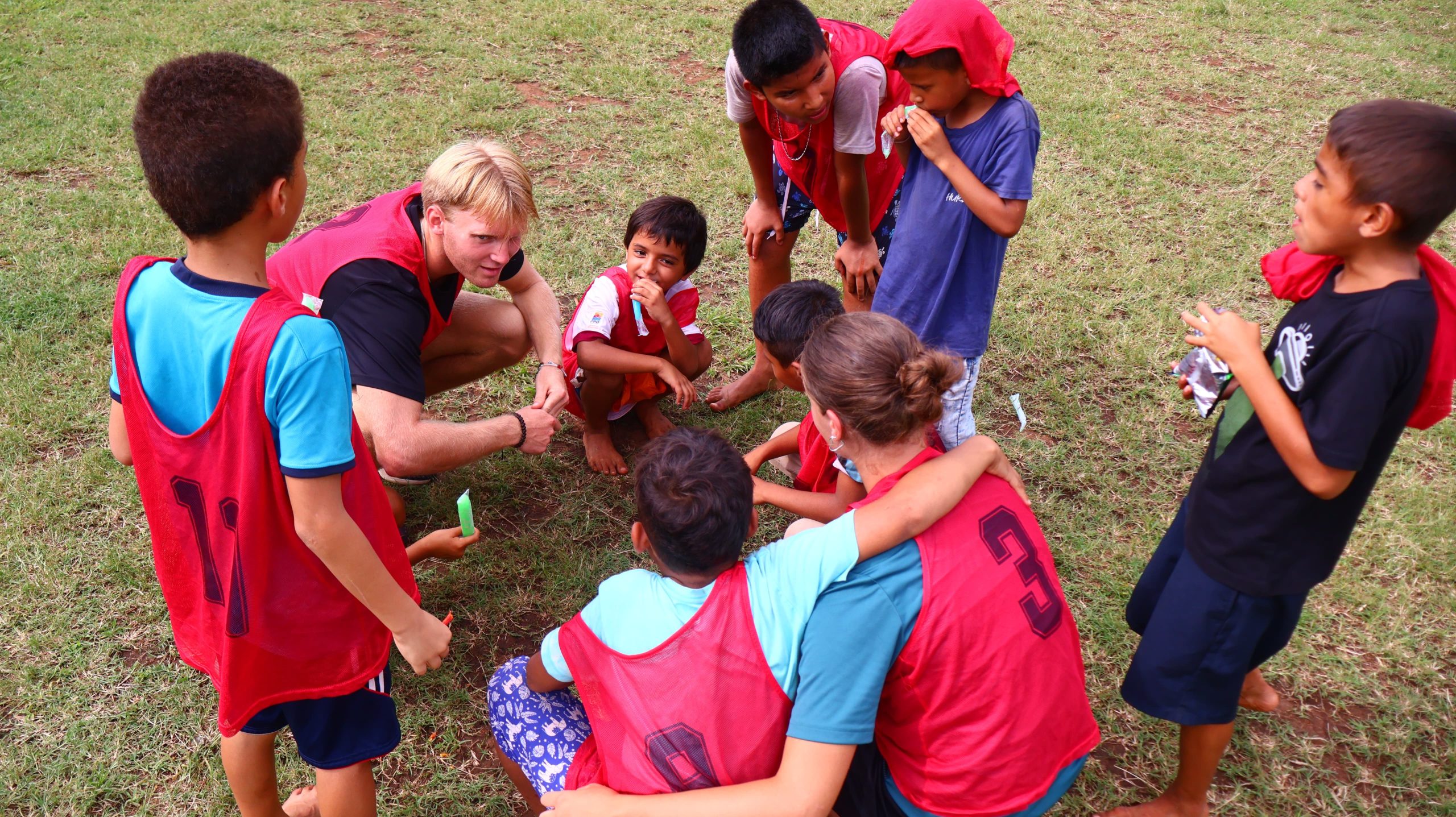
As a volunteer football coach in Costa Rica you are responsible for leading all training sessions and matches for the young players. The reward is great, because the talent is often there but knowledge of the rules and structure is missing. By bringing structure and running fun sessions, the players develop quickly. You get plenty of support from the other volunteers and our local staff and partners.

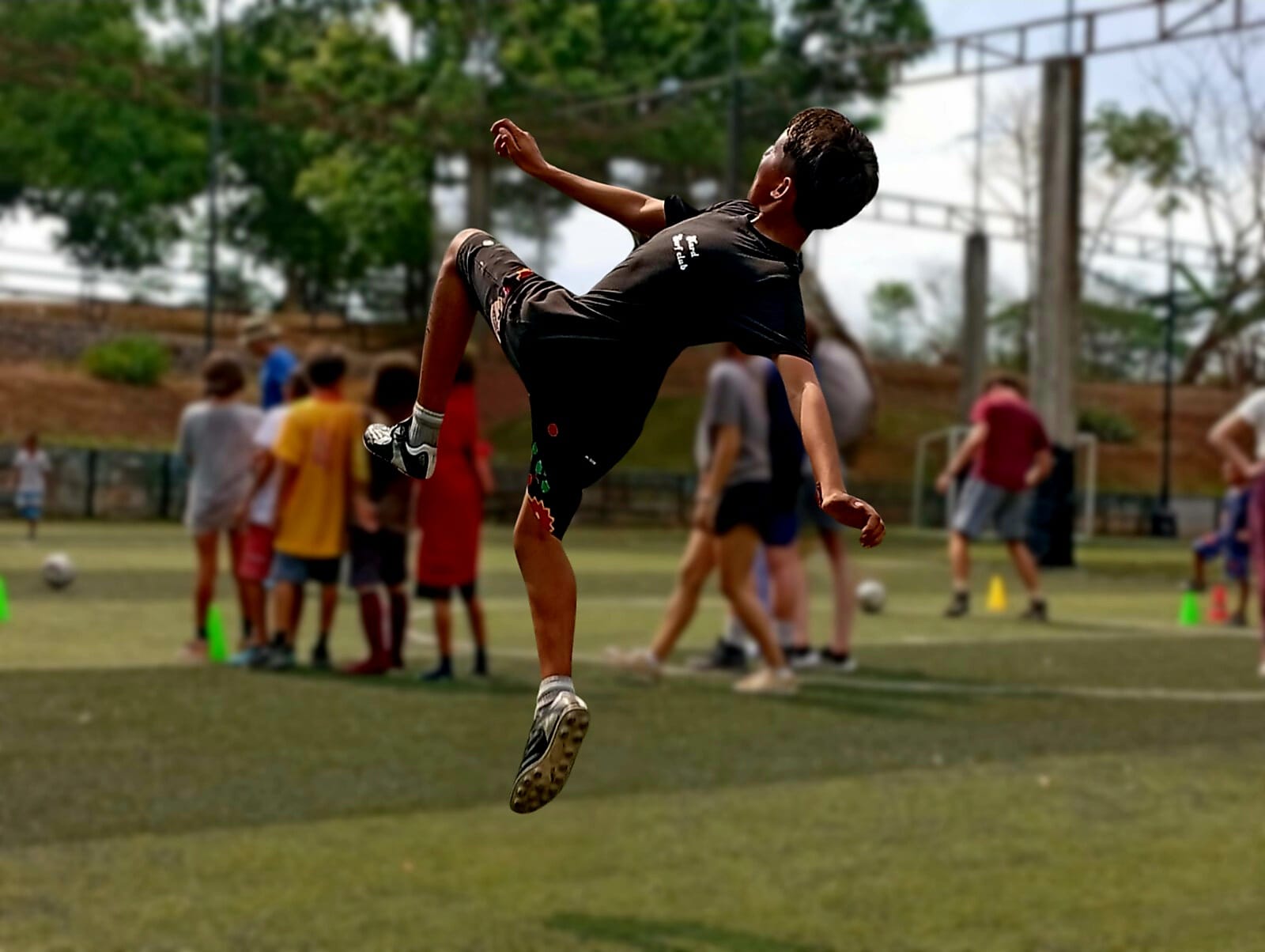
Football sessions take place five days a week at local schools or on our sports pitches. These schools draw children from all over the area but often get few sports sessions or PE lessons, so they really appreciate you as a volunteer setting up structured drills and matches. You will soon become a familiar face locally and make friends.

Every day you coach for around three hours, working with children and young people aged 6 to 18. These are fairly intensive activities, but there is still plenty of time left in your day. We therefore recommend also joining other projects that benefit the local community. Teaching English alongside football coaching is very popular, but you can also help with the construction, farming or older people’s project.

What else can you do?

You can always combine your programme with other sports or with helping to teach English. At weekends you are free to explore Costa Rica. The country offers incredible nature, beautiful beaches, volcanoes, rainforests and a rich culture. You can join cultural or adventure trips organised especially for volunteers. These trips are a unique chance to get to know the country better and learn more about local communities and their traditions.

Volleyball coach

Volleyball is played all over the world, and in Costa Rica too the passion for this dynamic, team-oriented sport keeps growing. Costa Rica has a rich sporting culture, and although football usually gets the most attention, volleyball is a popular sport played by many age groups. The fast pace, teamwork and technical side make volleyball a challenging and enjoyable sport for players and coaches alike.

Costa Rica has plenty of talent, but structured training and coaching are often lacking. This gives you as a volunteer a great opportunity to help young players improve their technique and skills, while immersing yourself in Costa Rican culture and the “pura vida” lifestyle.

What will you do?

As a volunteer volleyball coach in Costa Rica you work with students of different ages and levels. Volleyball is played by many age groups, and the students take part in sessions that focus on different aspects of the sport: competition, endurance, strength and technique. You will help the players improve not only their technical skills but also their physical and mental preparation for matches.

You will help the children and young people improve their basic techniques, such as serving, passing, blocking and attacking. You also teach them how to work together as a team, which is essential for success in volleyball. Sessions take place five days a week and usually last three to four hours a day. Each day has its own focus, whether that is technical skills, strength training or specific practice matches. You get to work with both beginners and advanced players, which lets you adapt to different levels and needs.

What else can you do?

You can always combine your programme with other sports or with helping to teach English. At weekends you are free to explore Costa Rica. The country offers incredible nature, beautiful beaches, volcanoes, rainforests and a rich culture. You can join cultural or adventure trips organised especially for volunteers. These trips are a unique chance to get to know the country better and learn more about local communities and their traditions.

Your own sport

In recent years many volunteers have promoted their own sport in Costa Rica. This is fun and has a big impact, as the children get a more varied range of sports. The Power of Sports is happy to help you introduce your sport, for example with the equipment needed. In 2023 a successful sports programme for older people was even launched in Esparza. So if you are interested in introducing another sport, let us know and we will tell you all about it.

What will you do?

As a volunteer in Costa Rica you are responsible for leading all training sessions for the young players. The reward is great, because the talent is often there but knowledge of the rules and structure is missing. By bringing structure and running fun sessions, the players develop quickly. You get plenty of support from the other volunteers and our local staff and partners.

Sessions take place five days a week at local schools or on our sports pitches. These schools draw children from all over the area but often get few sports sessions or PE lessons, so they really appreciate you as a volunteer setting up structured drills and matches. You will soon become a familiar face locally and make friends.

Every day you coach for around three hours, working with children and young people aged 6 to 18. These are fairly intensive activities, but there is still plenty of time left in your day. We therefore recommend also joining other projects that benefit the local community.

At weekends you are free to go wherever you like, but we highly recommend joining our (cultural) trips. They are designed to help you get to know the country better and always benefit local people. You will not find these trips in the guidebooks, so if you are a bit more adventurous, they are a great extra to your volunteering in Costa Rica.

Accommodation

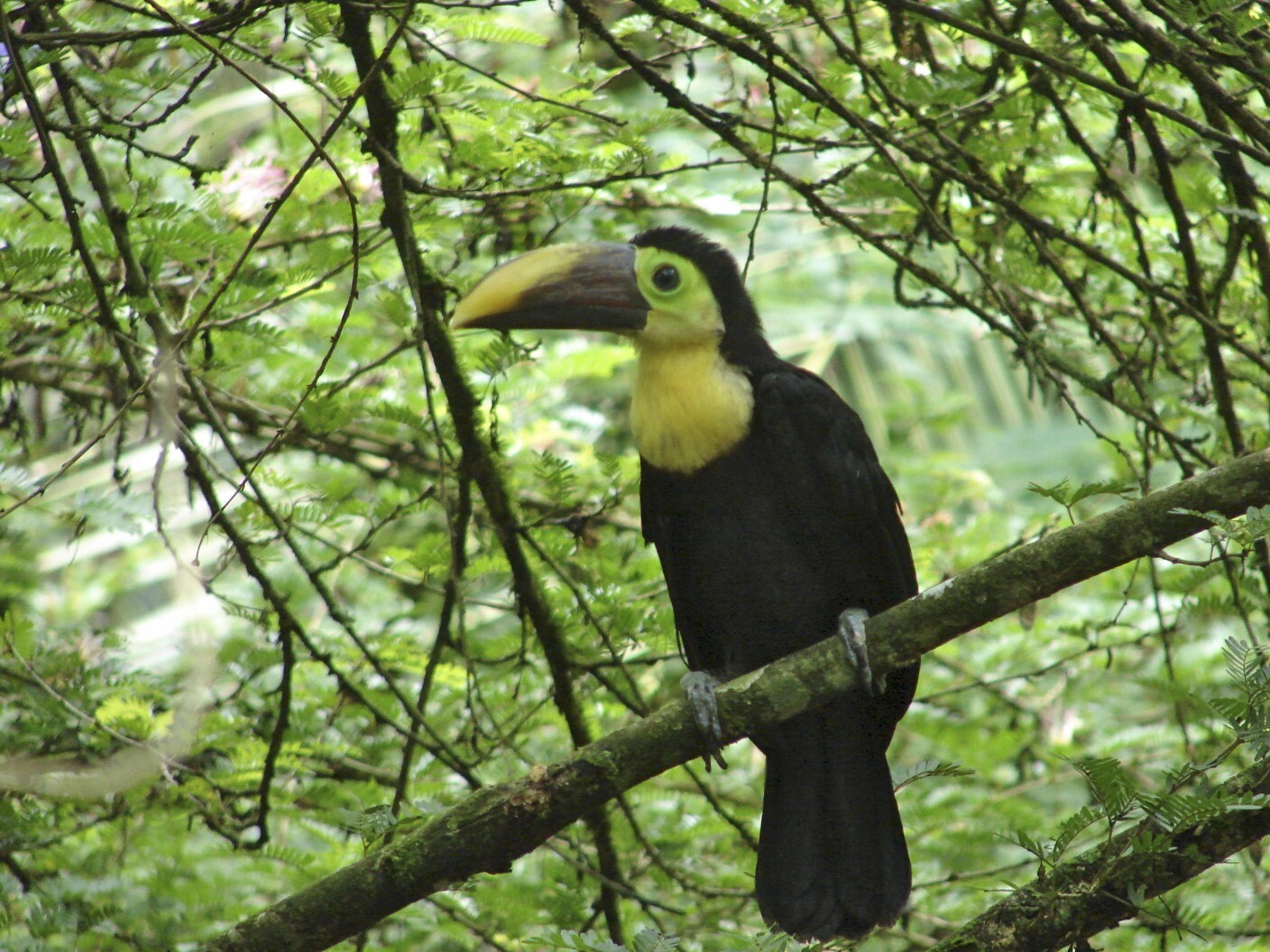
The accommodation is in the centre of Esparza, where you will stay in one of two eco houses: Jaguar House and Toucan House. These houses sleep up to 22 people. The rooms sleep four, in bunk beds. If you need extra privacy or are travelling with your partner, we also have two private rooms available. Each house has two Western-style toilets and shower rooms with cold water, which is refreshing in the heat of Esparza. The rooms have insect screens and two fans. There are laundry facilities, a kitchen, a large dining room, a chill-out area, a communal space shared by both houses, free wifi, TV and table tennis, plus a large garden with tropical plants including coconut palms, papaya, banana and citrus.

Why ‘The Power of Sports’

  • No registration fee and a no-obligation introductory call.
  • Affordable projects abroad, especially when you see what you get for it
  • Volunteering abroad is affordable, especially when you see everything you get in return.
  • Free Spanish course if you stay longer than 10 weeks.
  • As a travel organisation that focuses entirely on social sports trips.
  • We tell you an honest story and assess whether you are suited to the project.
  • Our programmes are run responsibly and have a proven positive impact.
  • All our staff know our programmes abroad well.
  • We offer good personal support, both in the UK and abroad.
  • We are founders and members of the Volunteer Aware quality mark. With this we want to underline that our projects are rooted in a genuine commitment to a worthwhile cause.
.

How experienced do I need to be to volunteer?

None of our projects require you to have certificates or to have studied sport. As a volunteer you have a supporting role and you will never be on your own. We are not necessarily looking for Costa Rica’s next superstar; we want to help children from all social backgrounds develop socially and build life skills through sport. You give the next generation the chance to play sport in a fun and organised environment. So whatever your background and experience, you can be sure you are making a positive contribution by volunteering as a coach in Costa Rica.

What does matter is that you have a basic knowledge of the rules of the sport and, above all, plenty of enthusiasm. Speaking Spanish is not a requirement, although it would help. You can choose to take Spanish lessons in Costa Rica, but luckily everyone speaks the language of sport!

I am vegetarian. Will my dietary needs be taken into account?

If you let us know in advance that you are vegetarian, they can cater for you in Costa Rica.

Do I need to speak Spanish for my project in Costa Rica?

It is not a must, but it will make your volunteering a lot easier. Our foundation’s staff speak good English, but many people in Costa Rica speak little English. We therefore encourage you to take a Spanish course beforehand. We can help with that and may even cover the cost. Luckily sport is a language everyone speaks, so you will get a long way with gestures too :).

What does my Spanish course look like?

For volunteers staying 10 weeks or longer, we cover a week of Spanish lessons in Costa Rica. If you go for a shorter time, you can choose to add it for €200. If you know well in advance that you want to volunteer in Costa Rica, we can look at covering a Spanish course at home so you already speak a little Spanish when you arrive.

What do I need to think about before going abroad?

After our no-obligation conversation, in which we already cover a lot, we also send you the welcome pack. It sets out in detail everything you need to think about, what to bring, what to watch out for and so on.

How many other people will I be volunteering with?

There are always other interns and volunteers staying at the accommodation in Costa Rica. The group size varies between 10 and 15. Not all of them are from the UK, many come from other countries. Contact us to ask how many others will be there during your stay. We also set up a group chat with other British participants travelling in the same period, so you can get to know each other beforehand.

Contact - The Power of Sports

Andrew John Hoyle

Better known as Andy, he is originally British but has spent most of his life living in countries all over the world. He eventually found his home in beautiful Costa Rica, where he is fully committed to supporting local young people, including through sport and education. Andy is convinced that sport is a powerful way to improve the physical and mental health of children and young people. He also sees the huge impact of improving their English: it opens doors to better opportunities in the future. What drives Andy is not only passing on knowledge and skills, but also fostering mutual understanding. He strongly believes in the power of cultural exchange. In his view, young people from Europe can learn a great deal from the local community, just as the community learns from their presence. For Andy it is important that participants immerse themselves in the daily lives of people in Costa Rica, rather than staying in the picture put together for tourists. His mission: building bridges, creating real connections and growing together.

ARRIVAL WEEKENDS 

In Costa Rica you can arrive any weekend, preferably on a Sunday between 8:00 and 22:00. Please note that there are no sports projects during the Easter holidays, the first two weeks of July and the Christmas holidays.
Contact - The Power of Sports

Spanish lessons with Cecilia Wolman

This is Cecilia Wolman (Ceci), a Spanish teacher at the University of Buenos Aires. She teaches the online Spanish lessons. Spanish lessons are very useful, because the children and young people in our projects usually speak little English.

The online course runs twice a year, with lessons every Monday at 20:00 (Dutch time).

First course:
24 August | 31 August | 7 September | 14 September | 21 September | 28 September | 5 October | 12 October | 19 October | 26 October.

Second course:
23 November | 30 November | 7 December | 14 December | 21 December | 28 December | 4 January | 11 January | 18 January | 25 January

The lessons are designed specifically for complete beginners. Do you already know some Spanish? Then you can take lessons at your own level in Costa Rica.

The full course is free for participants who join the project for at least 10 weeks. Staying for a shorter time? You can still join the course for a contribution of €100.

A four-week stay costs €1295, including:

  • Lovely accommodation.
  • Airport pick-up and drop-off.
  • Breakfast, lunch and dinner.
  • A free Spanish course (10 hours) for stays of 10 weeks or more, otherwise €100.
  • The Power of Sports shirt and socks.
  • Introduction and tour on arrival.
  • A dedicated coordinator at your project location.
  • Regular social events and shared activities with other volunteers and interns.
  • Visa advice and support.
  • Access to the group chat with all the other volunteers and interns travelling at the same time.
  • Contact details of your coordinator so you can get acquainted beforehand.

    Each extra week costs €255

Apply