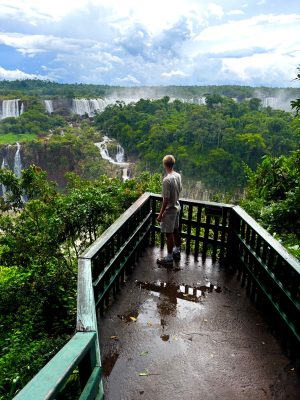
Joyce in Argentina

Participant
Joyce
Country
🇦🇷 Argentina
Short bio
I’m Joyce, I’m 22 and I was raised bilingual (Dutch & Spanish). Last year I was a 4th-year Sport Studies student at the Fontys Sporthogeschool in Eindhoven, and I also lived in the lovely city of Eindhoven for all four years!
My story
“If you’re in two minds about going to Buenos Aires because it seems scary to be so far away… Just DO it! This is a life experience that not everyone gets to carry with them.” Joyce Penedo Windmeijer”
Joyce · volunteering in Argentina
How long was your internship?
I did a four-month internship.
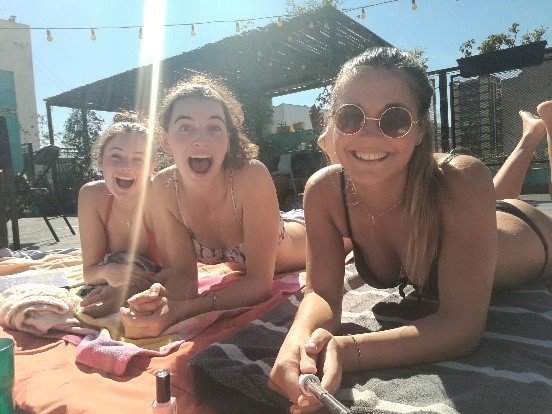
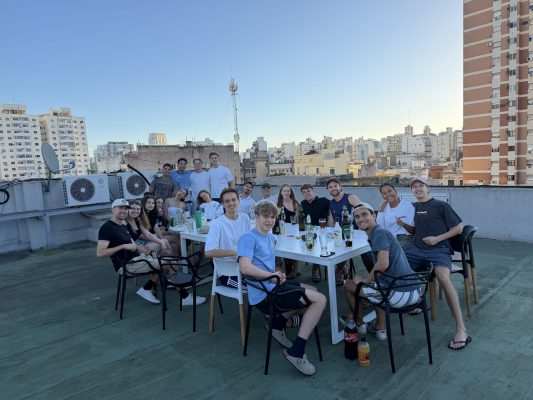
My journey began on 23 February 2018. I was a bit nervous about everything that was to come. From safe Holland all the way to the other side of the world, Argentina. You’ve heard all sorts of stories from previous interns and read up on Argentina yourself, but those stories and facts still have to prove true. After quite a long flight, I arrived in Buenos Aires in the morning. There I was met by a member of staff from United Through Sport. He took me to the place where I’d live for the next 4 months: Pichincha 1033. I was welcomed by the housekeeper, called Banessa. For an Argentinian she spoke very good English, but she soon found out that I could speak Spanish too, so she showed me round the whole house in Spanish. During the tour I met all sorts of new housemates from different countries: Norway, Sweden, Denmark, America, England, Germany, France, Mexico, Canada, Scotland and the Netherlands. Not all of these housemates were with United Through Sport. There was a big group from Norway learning Spanish alongside philosophy or history, a mixed group taking courses to qualify as English teachers, and another mixed group who only took Spanish lessons and then carried on travelling. I hadn’t pictured this when I arrived at the house, that I’d be living with 35 housemates from all sorts of different countries. I realised straight away that it was a fun house, because when I walked into the kitchen, the whole kitchen was full of wine bottles haha. I soon heard that wine could be very cheap in this country. On top of that, it was 32 degrees when I arrived, so we could lie on the roof terrace together and enjoy the weather.
“I realised straight away that it was a fun house, because when I walked into the kitchen, the whole kitchen was full of wine bottles haha.”
Anyway, back to the internship part! My aim in Argentina was to complete my graduation internship, for which I also had to do research for my dissertation. I wasn’t the only intern at United Through Sport; there were also two other Dutch 3rd-year students from InHolland. They were only doing an internship, not research. It did give me a nice feeling that I wasn’t on my own and was part of the same group as other Dutch people.
The first week we were off from the internship, because the schools were still closed (summer holidays). That week I took Spanish lessons with the two other Dutch girls in a beautiful building. On the first day you start by taking a test, and you’re placed in a particular class at a particular level. If you’re A1 (the lowest level), for example, you usually end up in a group that has just started that week, like you. I was placed at B2, in a group that had already been taking lessons for longer. I learnt loads in that one week, because every day during those lessons I had to speak nothing but Spanish.
“I learnt loads in that one week, because every day during those lessons I had to speak nothing but Spanish.”
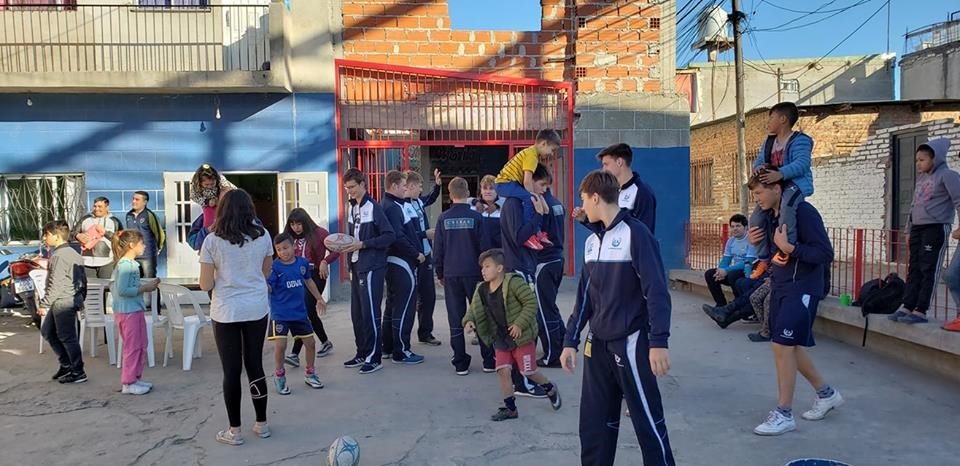
After that first week the internship began. We were first introduced to the internship supervisor, the director and a bit later to the volunteers. The internship supervisor also gave us an introduction to Buenos Aires, as well as to the tasks we’d be doing during the internship. These were our tasks: attending sports lessons at schools, trying out new placements for volunteers, welcoming new volunteers and showing them round the neighbourhood/city, directing volunteers to the new placements and introducing them to the new placements, being a confidential adviser/contact person for the volunteers, doing the weekly shopping for the breakfast of the United Through Sport volunteers and interns and, finally, holding a weekly meeting with United Through Sport interns and managers. We (the interns) also had to do odd jobs in between, such as helping to print or complete documents, buying equipment for placements and monitoring volunteers’ attendance. Having listed all these tasks, I had a number of learning moments. The children at the schools where you do your internship quickly get used to you and assume you’ll always keep coming. If you miss even one time, the other interns/volunteers get asked where you are. Really sweet and lovely to hear, but it’s something you have to bear in mind. Some volunteers didn’t turn up for no valid reason. Children started wondering whether it was their fault that they didn’t come any more, or whether they weren’t nice enough. That’s painful to hear, because it’s definitely not the children’s fault. They’re hugely interested in you and also quite touchy-feely (which is quite different from Holland haha), but they mean it in a sweet way. It’s also really handy to be able to speak reasonable Spanish, otherwise it’s hard to communicate with the children. Luckily interns get a free week of Spanish lessons, which is very useful. Few children are willing to speak English with you, and it’s usually children who take extra English lessons at an English institute. Still, my fellow interns managed well by talking with their hands and feet. Not only that, but also through experience with the Spanish language. The longer you’re there, the more words and phrases you start to learn. I also clearly noticed that Dutch culture is very different from Argentinian culture. We Dutch are very direct and like to get all tasks sorted as quickly as possible. Argentinians are much less direct, and the general mentality is that it’ll all be fine tomorrow. So you have to adjust your directness a little to work well with the managers. You also have to accept that everything goes more slowly in Argentina, because that’s their culture and you’ll have to deal with it. It can be frustrating at first, but gradually you get used to it.
“We Dutch are very direct and like to get all tasks sorted as quickly as possible. Argentinians are much less direct, and the general mentality is that it’ll all be fine tomorrow.”
We (the interns) also helped out at a Soupkitchen. That Soupkitchen is in one of the poorest neighbourhoods of Buenos Aires, villa 21-24. The first time I went there I couldn’t believe my eyes. The three of us walked there, which was actually extremely dangerous (after that we went there by bus). All the residents of that neighbourhood can tell from your clothes, your face and the way you look that you’re a foreigner. As three women we didn’t feel very safe and got there as quickly as possible. That house makes food for 300 people (!!) who have no money for food. The staff who make the food are all volunteers, and they also cook for their own families, who come by to collect their food. They receive food and money from various foundations, and that’s how they can prepare food for part of the neighbourhood. As interns, we helped with cooking and serving the food. I’m so grateful that I went there, because gosh, how hard they have it and how good we have it! The portions that families of 5 get, for example, I could eat on my own. Sometimes only the youngest child, aged 6 for example, comes to collect the food. Completely dirty, malnourished and staring hopelessly ahead. Not only children, but also homeless people, who stand in front of you completely high on drugs. But the local volunteers at that house are so highly respected in the neighbourhood, and carry such authority, that no one would do us any harm. We were always welcomed properly at the house and walked back to the bus stop afterwards. That was definitely necessary, as otherwise there was a big chance of being robbed (which did happen to another volunteer, who wasn’t with our organisation). But what moved me most was that, even though those local volunteers had nothing and had been through terrible things, they had a positive outlook on life and wanted to work hard to make something of their lives. I simply felt ashamed when they asked what my home was like, what Holland looked like and what my student life was like. Compared with their situation, mine was unreal. Some of them didn’t even know where Holland was or that Holland existed at all. Those local volunteers dream of one day being able to go to Europe, or even to a neighbouring country. Sadly that isn’t possible for them because of a severe lack of money. In the end, thanks to sponsorship from United Through Sport, the soup kitchen has also become a place where children can come to do crafts, play and paint. The happy faces of the children and parents were wonderful to see!
“I’m so grateful that I went there, because gosh, how hard they have it and how good we have it!”
But to come back to the safety of the country… that was definitely something we had to take into account. Before I went to Argentina, I didn’t really realise what safety was like there. Especially as a woman, it’s not safe to walk around alone in the evening, as there are many places with unpleasant people. My phone was also stolen once, and so were those of many of my housemates. So here’s a tip: don’t take your phone with you if you don’t need it! Wearing (eye-catching) jewellery was also strongly discouraged. Once I was standing with a housemate by a big road, waiting to cross, when a motorbike came past, ripped the necklace off my housemate and rode on. That was in broad daylight, so always stay alert!
“So here’s a tip: don’t take your phone with you if you don’t need it!”
As I mentioned earlier, I also had to do research for my dissertation. It was quite a challenge for me to interview ten local Argentinians about a physical activity programme run by United Through Sport. They’re very slow to reply to your messages or emails, and they’re also a bit wary of taking part in research like this because they’d never done anything like it. I was really glad I could understand and speak Spanish. So if anyone is thinking of graduating in Argentina, learn Spanish like mad! The locals speak quite fast and at length, and you have to stay really focused to be able to respond. But by doing all those interviews, I improved my Spanish a lot too! Not only through contact with the respondents, but also with the children at the schools, the volunteers’ placements and in everyday life.
“So if anyone is thinking of graduating in Argentina, learn Spanish like mad!”
Besides doing my internship at United Through Sport, I also saw and experienced other incredibly fun things. We were usually free from the internship in the (late) afternoon, so we (interns & UTS volunteers & housemates) often went to visit places. We actually did so much in a short time; I’m only realising it now as I’m writing this.
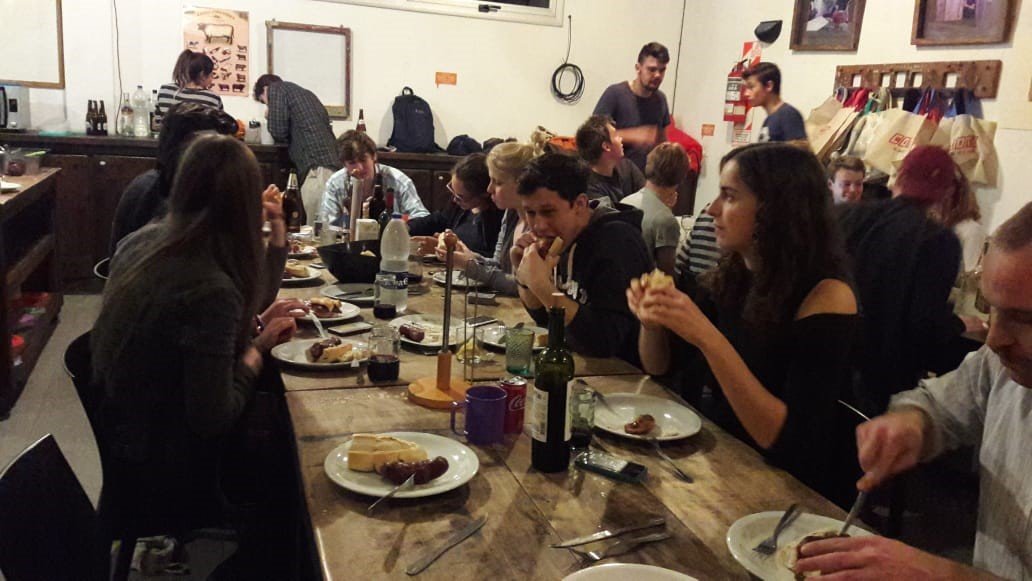
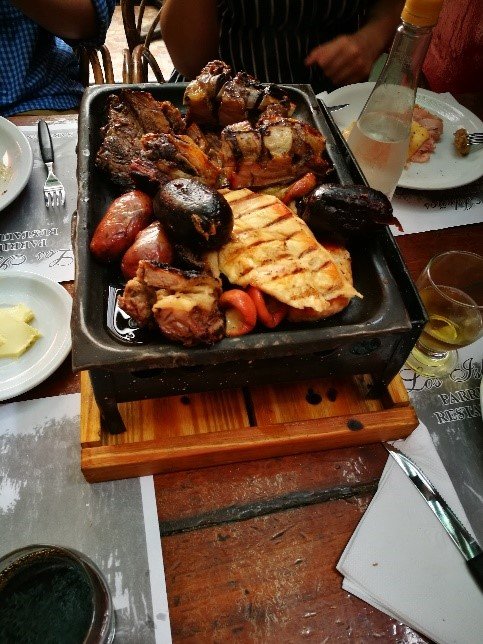
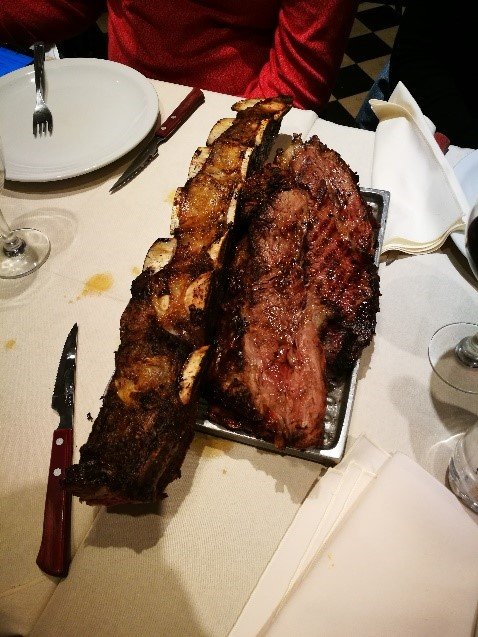
We tasted the treats of Argentina, such as Dulce de Leche (a caramel spread for your bread or biscuits or something like that), alfajores (biscuits) and empanadas. We also ate the most delicious steak of my entire life (see photo); you can ask Banessa for the address, but the place is definitely in the San Telmo neighbourhood.
“We actually did so much in a short time; I’m only realising it now as I’m writing this.”
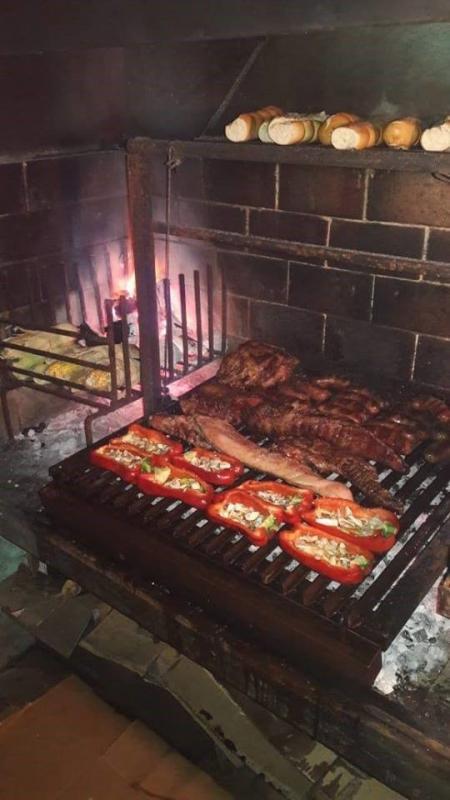
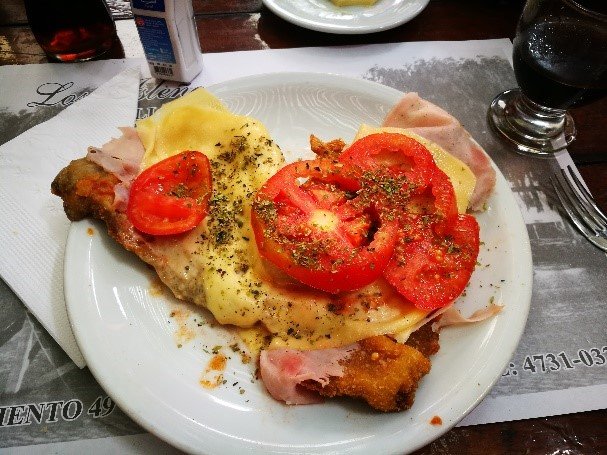
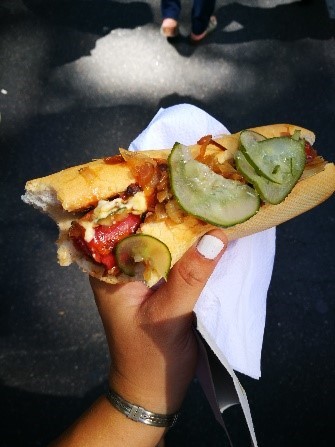
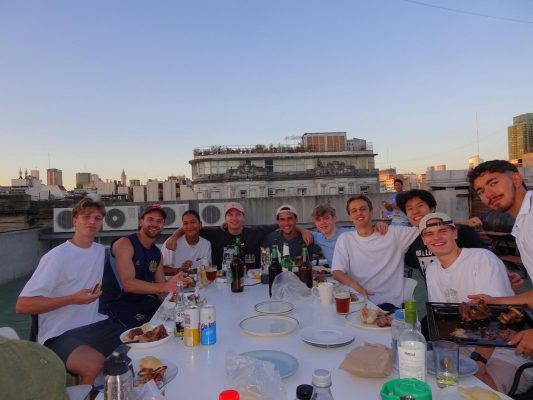
We also ate the famous ‘Milanesa’, which for us is basically just a schnitzel haha. Although this version was the Milanesa Napolitana, because ham, cheese and tomato had been added. We also partly tried a parrilla, which consisted of all sorts of animal parts… (kidneys, for example). I wasn’t really a fan myself, but you have to try everything! We also tried the choripan, which is a roll with a sausage, and you can add a few extras yourself (also recommended). United Through Sport also organised a monthly Asado, where all sorts of meat, but also vegetables, were put on the house’s outdoor barbecue.
“UTS also organised a monthly Asado, where all sorts of meat, but also vegetables, were put on the house’s outdoor barbecue.”
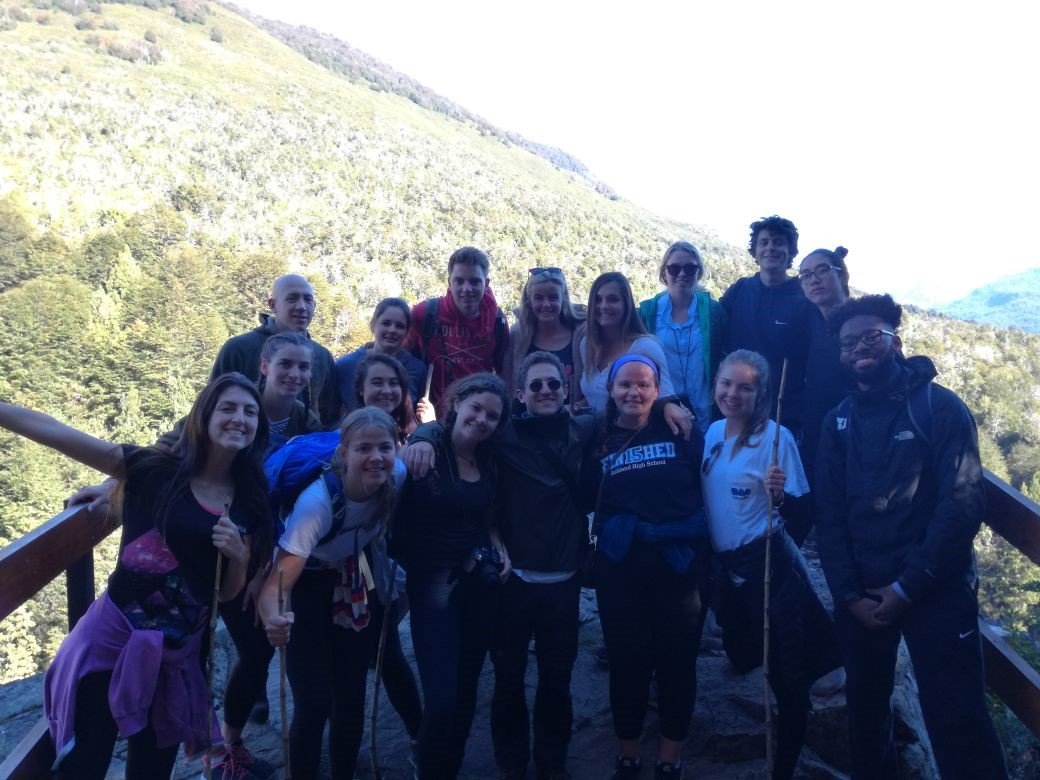
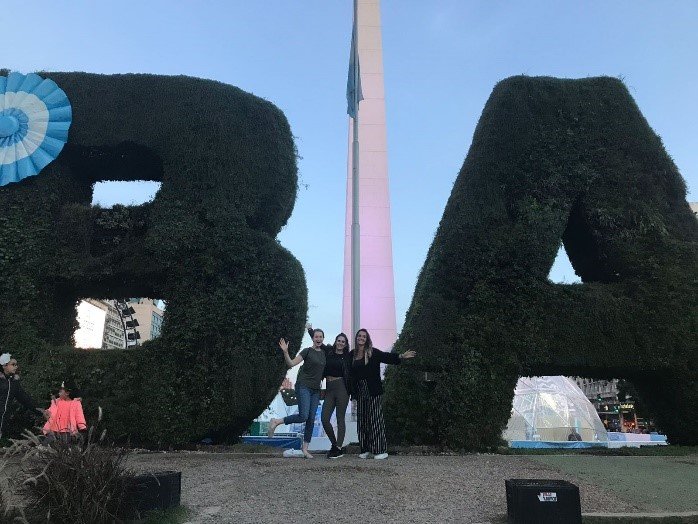
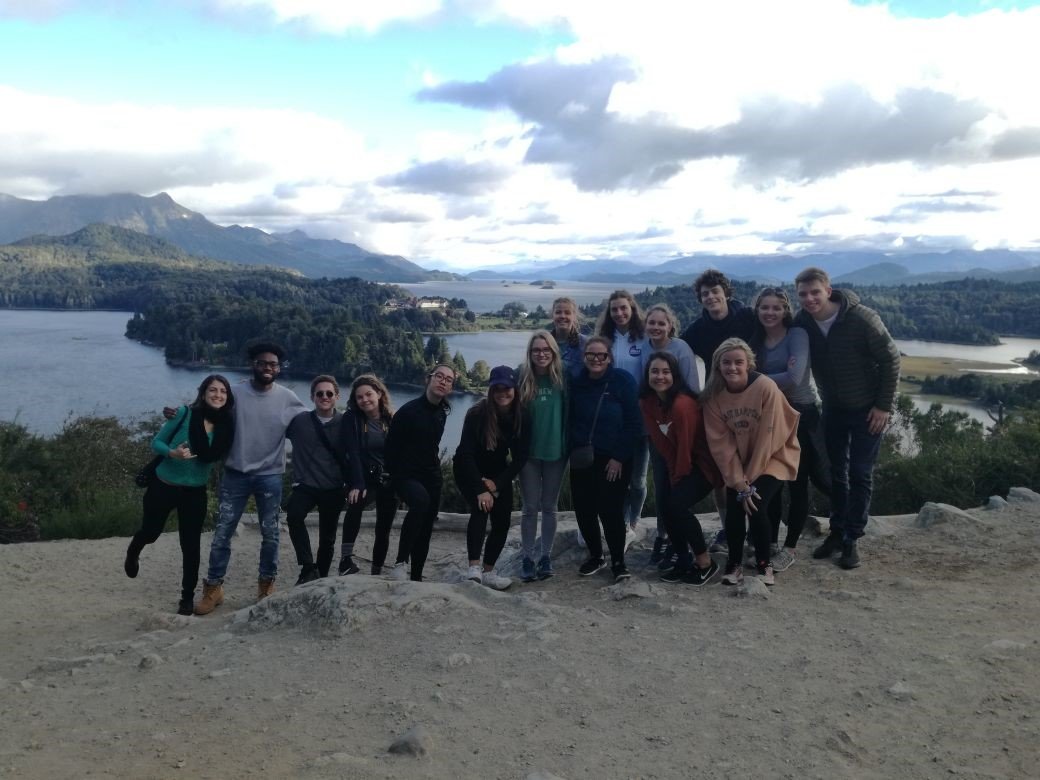
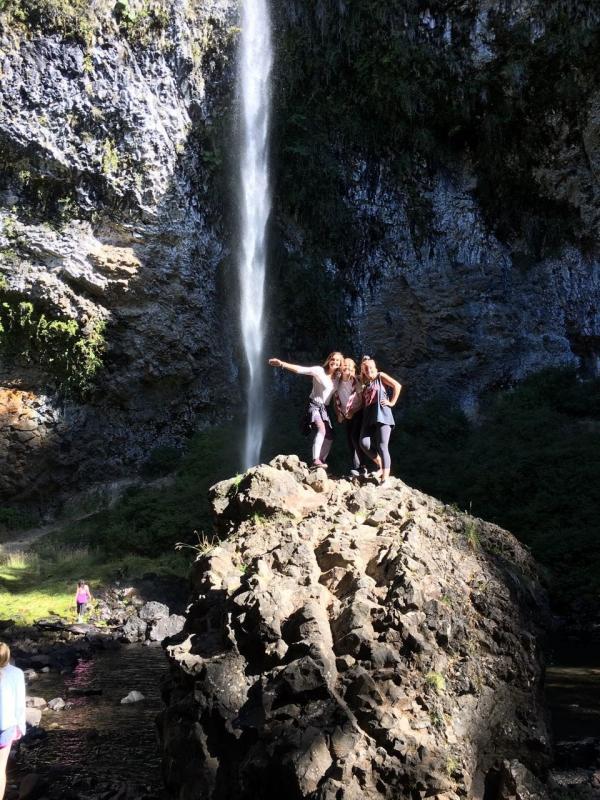
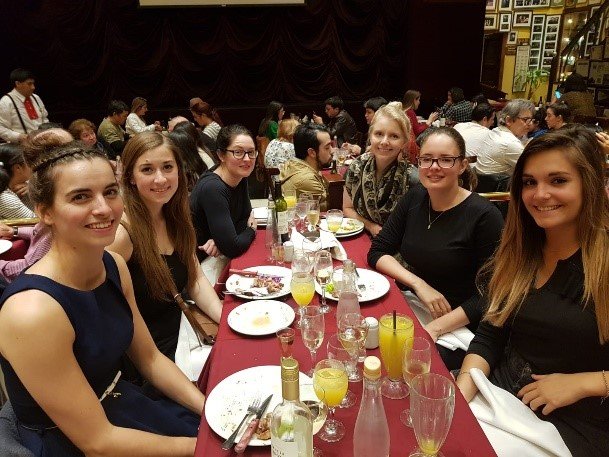
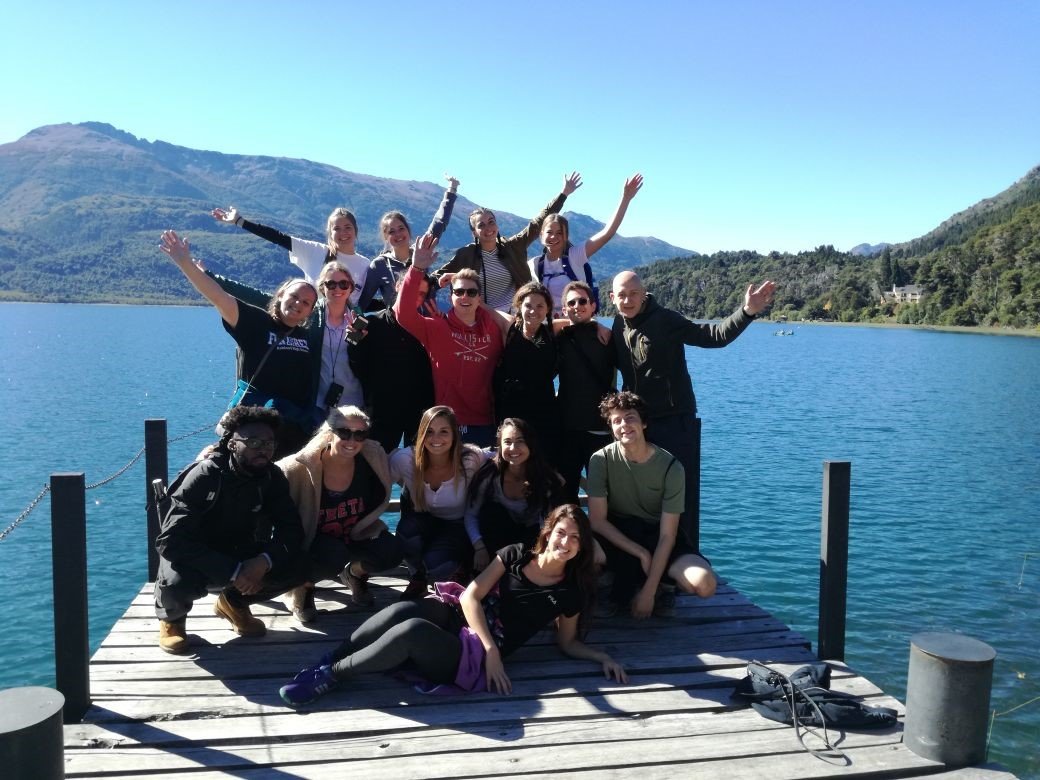
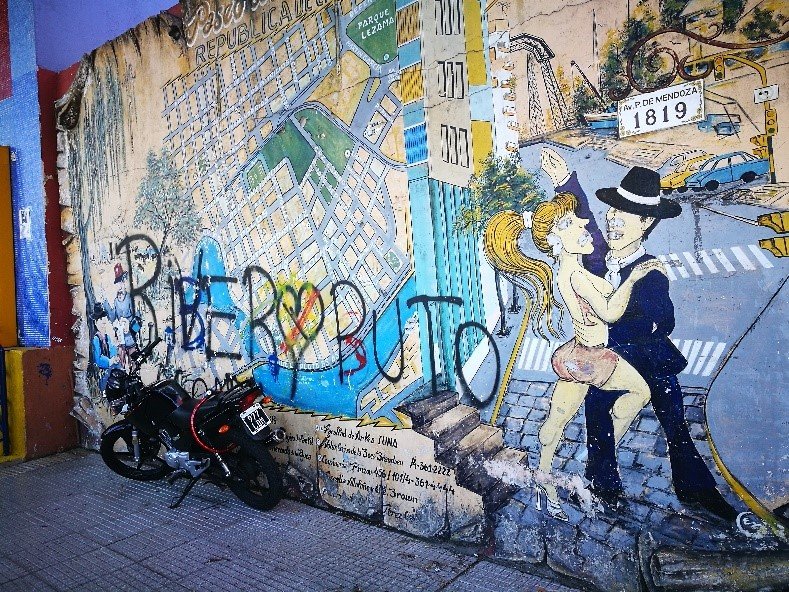
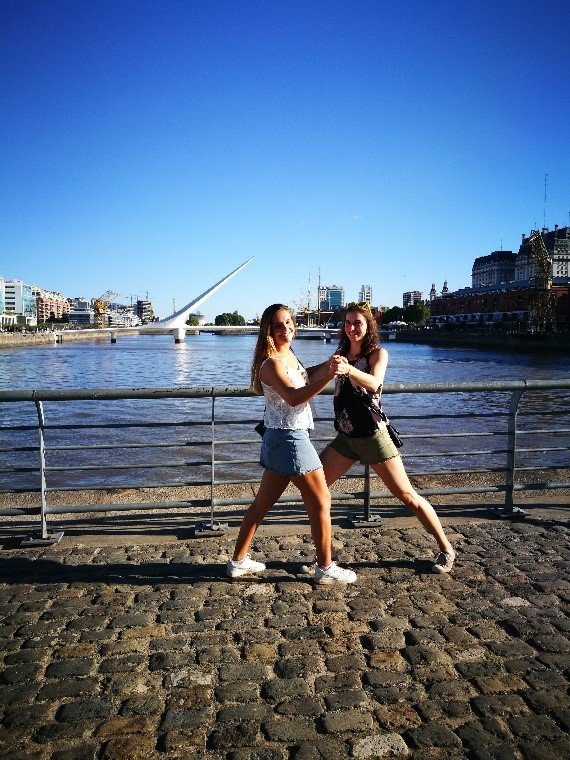
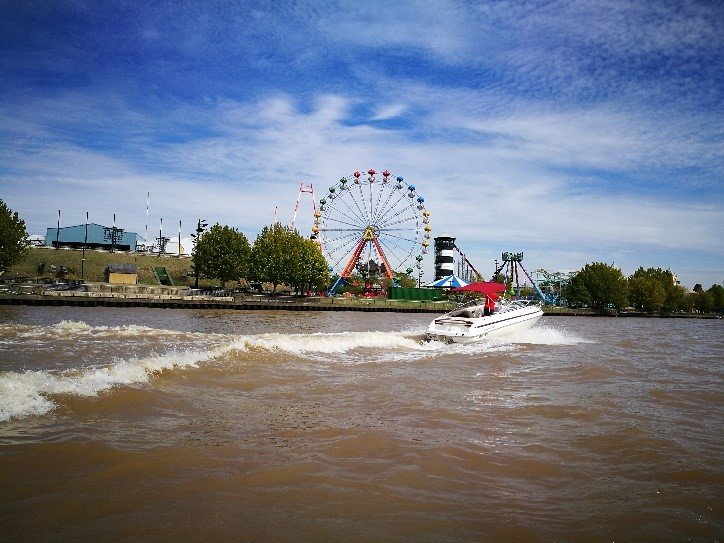
Besides all that food, we of course did cultural things too. For example, we went to a great tango show with a three-course dinner and unlimited drinks. We also visited one of the Japanese gardens of Buenos Aires and the fields full of roses. We also visited the tango bridge in Puerto Madero, the Buenos Aires letters and La Boca (a neighbourhood with colourful houses). The photos you see below are trips you can easily do in an afternoon, but there are also places a bit further away that you can visit in a day, such as Tigre (a town). Among other things, we did an hour-long boat trip there, which was really fun. We also went on even longer trips, which you need a few days off for. I went to Patagonia with a group (the south of Argentina). An incredibly cool trip where we saw lots of nature. It’s also nice to be out of the city and breathe in some fresh air. You can also go paragliding there, which the two other Dutch girls did, as well as lots of other activities! On that trip we met new people again, which is always great!
“I went to Patagonia with a group (the south of Argentina). An incredibly cool trip where we saw lots of nature.”
To stay in Argentina legally, we had to leave the country and come back in within 90 days. We solved this by going to Uruguay for a long weekend, which you can reach by boat within 1 hour! We spent 1 day in Catalonia (a very pretty little old town) and then went on to Montevideo (the capital) for 3 days
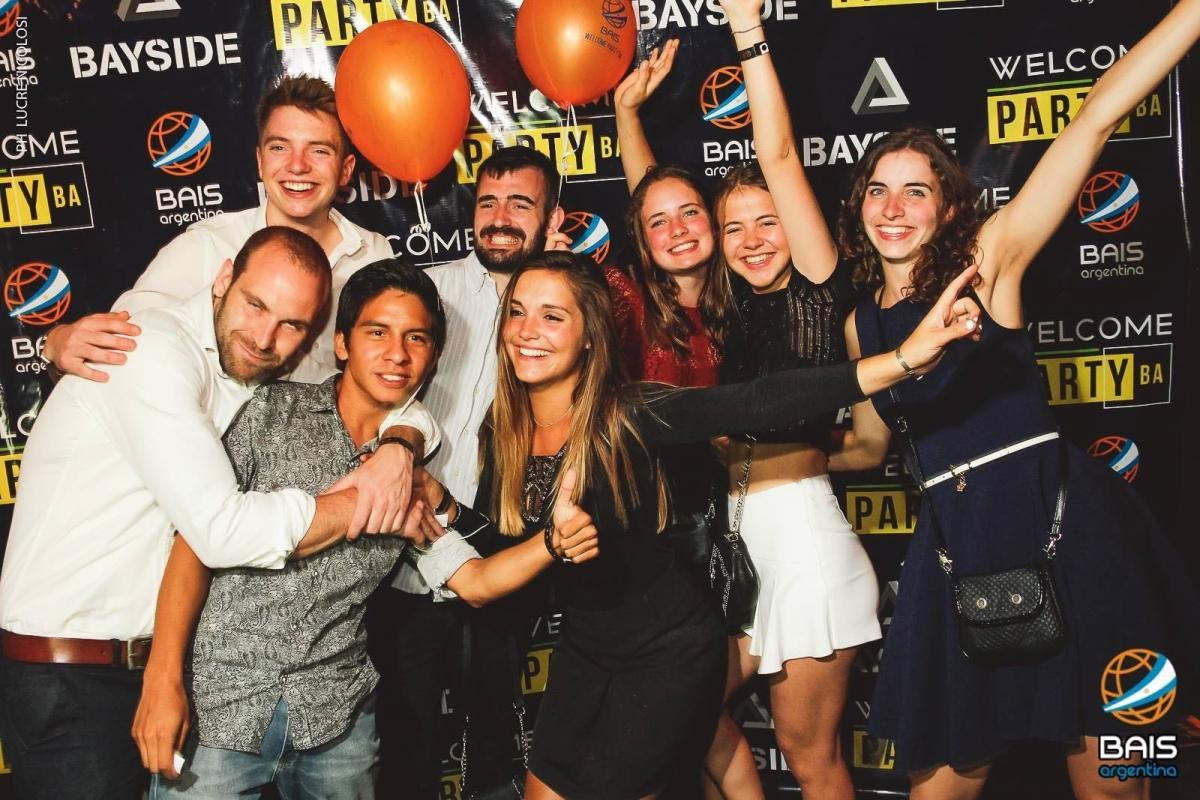
Finally, we went out loads too! Especially in the Palermo, Puerto Madero and San Telmo neighbourhoods. It was also handy to be a member of the BAIS Argentina Facebook group, as they organise lots of parties for international students (recommended!!)
“It was also handy to be a member of the BAIS Argentina Facebook group, as they organise lots of parties for international students.”
There’s actually still so much more to tell about my time in Argentina, but I hope I’ve been able to give a better picture to anyone interested in this internship!
CIAO!
Joyce
Joyce’s photos