

If you have any questions, you can reach your mentor at:
Phone +44 7758 484544 (09:00 to 17:00 UK time)
WhatsApp +44 7758 484544
mike@thepowerofsports.org
The Power of Sports team
Fill in your personal details
On this page you fill in your personal details. You can only do this after you have booked your flight. Click the green button to open the form. This Google Form lets you easily fill in all your details.
The information is automatically forwarded to our colleagues in South Africa. That way they are well prepared for your arrival and have important information such as your arrival time and date, medication, dietary requirements and emergency contact(s).
Make sure you fill in and send the form at least two months before departure. To be safe, also let your mentor know you have done so.
Fill in your personal details heremharlin@unitedthroughsport.org
WhatsApp +44 7758 484544
Overview
| Standard Accommodation | Comfort Accommodation | |
| Meals | 3 meals a day | 3 meals a day |
| Drinks | Tea and coffee | Tea and coffee |
| People per room | 3 to 10 | 1 |
| Wifi | Yes | Yes |
| Laundry | Yes – R10 per load* | Yes – R10 per load* |
| Locker | Yes, locker in the room** | Yes, locker in the room** |
| Lock on door | Yes | Yes |
| Shower | Yes | Yes |
| Private bathroom | No | Yes |
| Sheets | Yes | Yes |
| Towels | No | No |
| Mosquito net | No | No |
| Fan | No | No |
| Air conditioning | No | No |
* Or at extra cost at local launderettes
** Bring a padlock
Voluntourism
The topic of ‘voluntourism’ gives plenty to talk about, and we completely understand that! You may have heard of ‘orphanage tourism’, but voluntourism is much broader than that. It is really important that you, as a volunteer or intern, are aware of this topic and the influence it can have. At our organisation we set up our projects ourselves and think carefully about every aspect of voluntourism. To set ourselves apart from other organisations, we are even a co founder of ‘Volunteer Aware’, a quality mark that shows we avoid harmful forms of voluntourism.
But it is essential that we consider our behaviour carefully not only as an organisation, but also as individuals. A well known phenomenon within voluntourism is the so called ‘white saviour syndrome’, where Western volunteers and interns tend to see themselves as the saviours of less privileged communities in other countries. Although our programmes definitely have a positive impact, we must stay aware of the limits of our role. As a volunteer or intern you have a supporting role within the project. Remember that we are guests in the community where we work and that our role should mainly focus on supporting local initiatives and listening to the needs of the community.
To help you better understand voluntourism, we recommend watching the video below. It will help you become aware of the key principles of responsible voluntourism and how to apply them in practice during your project.
We are incredibly grateful for your commitment and dedication in taking part in our programmes. Let’s work together towards a responsible and respectful approach to volunteering or interning abroad.
Insurance
Taking part in activities of The Power of Sports is at your own responsibility. Before and during the activity, everyone must have valid health and travel insurance covering medical costs, repatriation, accidents and liability. For activities abroad, an EHIC or GHIC is also required where applicable. Insurance details must be provided on registration; without them, participation may be refused or ended without a right to a refund, insofar as permitted by law.
The Power of Sports and its carefully selected partners are insured for their business operations, but medical costs and loss of or damage to personal belongings are always at your own expense, unless directly caused by a mistake by The Power of Sports or its partners. For full details see our terms and conditions.
To make sure you are properly insured, we recommend European Insurances. They know our programmes and can give you professional advice, including for trips outside Europe. Through their website you can easily request a call back and get tailored advice within 24 hours. Please check that the policy is available to UK residents; if not, choose a UK travel insurer that covers volunteering and sports activities abroad.
European InsurancesFor a trip to South Africa there are some recommended vaccinations and precautions to consider:
Recommended vaccinations:
-
DTP (diphtheria, tetanus and polio): This vaccination is recommended for all travellers to South Africa.
Possible vaccinations:
-
Hepatitis A: Recommended for travellers staying in basic conditions.
-
MMR (mumps, measles and rubella): If you have not been vaccinated against measles or have not had the disease, this vaccination is recommended.
- Yellow fever: This vaccination is required if in the seven days before arriving in South Africa you have been in a country where yellow fever occurs, or had a transit there of more than 12 hours.
Vaccinations depending on your situation:
Depending on your personal situation and travel plans, the following vaccinations may be considered:
-
Hepatitis B: Recommended for stays longer than three months or for high risk activities.
-
Rabies: Consider this vaccination for a longer stay or close contact with animals.
-
Tuberculosis (TB): In certain cases, such as a long stay, this vaccination may be recommended.
Malaria prevention:
Malaria occurs in some areas of South Africa, particularly in the north east including the Kruger Park, mainly from September to May. It is advisable to take antimalarial tablets and to protect yourself against mosquito bites, for example by wearing covering clothing and using insect repellent with DEET.
Extra tips:
-
Plan your vaccinations in time: It is wise to arrange your vaccinations at least four to six weeks before departure.
-
Get personal advice: Consult a travel clinic or your GP practice for tailored advice based on your health and travel plans.
By taking these precautions, you can enjoy your trip to South Africa with peace of mind.
Click the link for our current Terms and conditions and code of conduct
The Power of Sports – Code of conduct
As a volunteer or intern with The Power of Sports, you help create a safe, respectful and positive environment for everyone involved in the project. This short code of conduct describes what is expected of you.
1. Respect and behaviour
- Treat all participants, colleagues, volunteers and interns with dignity and respect.
- Discrimination, intimidation, bullying, abuse or any form of inappropriate or transgressive behaviour will not be tolerated.
- Always contribute to a safe, inclusive and supportive environment, and outside project activities too, show respect for local culture, norms and customs by avoiding behaviour or expressions that could be experienced as offensive, disrespectful or inappropriate in the local context.
2. Professionalism and integrity
- Act honestly, responsibly and professionally.
- Do not misuse your position, information or project resources for personal gain.
- Follow the instructions and guidelines of project coordinators where necessary, when they relate to safety, cooperation or the reputation of the project.
- Offering or accepting inappropriate gifts or other unlawful benefits is prohibited.
3. Laws, rules and safeguarding
- Comply with all applicable local laws and project rules.
- Respect all safety, health and safeguarding regulations, including child protection policies where applicable.
- Respect the house rules of accommodation and partner organisations, follow coordinators’ instructions regarding safety, wellbeing and regulations, and be aware of your role as a representative of the project during your stay and activities.
4. Use of property and resources
- Handle project and partner property, facilities and materials with care.
- Use these resources only for legitimate project related purposes.
5. Communication and cooperation
- Work constructively and respectfully with fellow volunteers, interns, staff and partners.
- Communicate openly, honestly and professionally in all project related situations, both during and outside working hours when it concerns the project.
- Respect agreed schedules, working arrangements and responsibilities.
- Report concerns, incidents or suspected misconduct to your supervisor or project coordinator as soon as possible.
- Inform your supervisor in good time in case of illness, delay or absence, and always agree changes in planning or attendance in advance with the coordinator responsible.
- Take responsibility for your own wellbeing and consider the safety and wellbeing of others in the project environment.
6. Drugs / alcohol
- The possession, use, purchase or distribution of illegal drugs or narcotics is strictly prohibited for the entire period you stay with us.
- Breaking this rule leads to immediate termination of participation and may lead to removal from the project and/or accommodation.
- You are responsible for complying with local laws on drugs and alcohol, which in some countries may be stricter than in your own country.
7. Sexual contact and transgressive behaviour
- Sexual harassment and transgressive behaviour are not permitted.
- Sexual contact with minors is strictly prohibited and leads to immediate termination of participation and possible reporting to the authorities.
- Sexual contact between volunteers, interns, staff or others involved is discouraged in order to maintain professional boundaries.
8. Conflicts of interest
- Avoid situations in which personal interests could conflict with your role as a volunteer or intern.
- Report any actual or potential conflicts of interest to the project coordinator immediately.
9. Compliance
- Compliance with this code of conduct is a condition of participation as a volunteer or intern.
- In serious cases, non compliance may lead to immediate termination of participation without a right to a refund.
10. Use of photos and video
- Photos and videos taken during project activities are the property of The Power of Sports.
- Volunteers and interns may only use this footage for project related purposes and with the prior permission of the organisation.
- Sharing photos or videos on social media or other external platforms is only allowed with permission, always respecting the privacy and safety of participants and third parties.
What to bring
This checklist helps you pack for your trip to South Africa. The climate is generally warm, but if you arrive in winter the nights can feel cold. As the atmosphere in South Africa is quite informal, you can leave your formal clothes at home.
On arrival you receive a (sports) shirt from our foundation to wear while coaching. Also bring enough sportswear so you can train comfortably every day.
Recommended clothing
- Fleece: for warmth on cooler nights, especially in the winter months.
- Hat: protect yourself from the sun. A wide brimmed hat is better than a cap, because it also protects your neck.
- Jumper: bring a couple of warm jumpers (wool or fleece) for when it cools down in the evening.
- Shirts: bring some shirts and a few sports shirts or training tops for the programme.
- Shorts: it is usually warm, so bring plenty of shorts.
- Socks: bring enough socks for sports activities, and football socks if you want to play for a local team.
- Swimwear: there are lots of places to swim, both in the sea and in pools, so swimwear is important.
- Trousers: choose cotton trousers, which are airy and keep insects away. Also suitable for the evening.
- T-shirts: bring enough T-shirts to wear every day.
- Underwear: cotton underwear is more hygienic than synthetic. Bring enough to get through the week.
- Special clothing/equipment: whistle/hockey stick (for hockey coaches), trainers/football boots.
Shoes
- Casual shoes: one pair is enough.
- Sandals/flip flops: good quality ones with ankle straps for ventilation and comfort.
- Trainers: bring shoes that can get dirty, as you will be working and playing sport outside. Rain showers can make the area muddy.
Rainwear
- Waterproof jacket: lightweight, waterproof and breathable, always handy.
Other essentials
- Camera/phone: for photos and memories.
- First aid kit: essential for minor accidents or ailments.
- Mosquito and insect repellent: choose a product with a high DEET content (50% recommended).
- Sleeping bag: not required, but handy if you want to travel afterwards.
- Sun cream and after sun: high factor (30+), given the strong sun.
- Sunglasses: protect your eyes from the bright sun.
- Torch: always handy, especially during power cuts. Your phone usually has a light too.
- Towels: bring at least two towels and a beach towel.
- Wash bag: with the usual toiletries.
- Water bottles: make sure you always have at least two litres of water with you.
- Whistle: handy when refereeing a match.
- Handy bag: a small, practical bag for everyday use.
- Power bank: essential during power cuts (load shedding).
- Padlock: bring your own padlock for the locker in your room.
- Hand sanitiser: because you will be holding lots of children’s hands.
The Power of Sports clothing
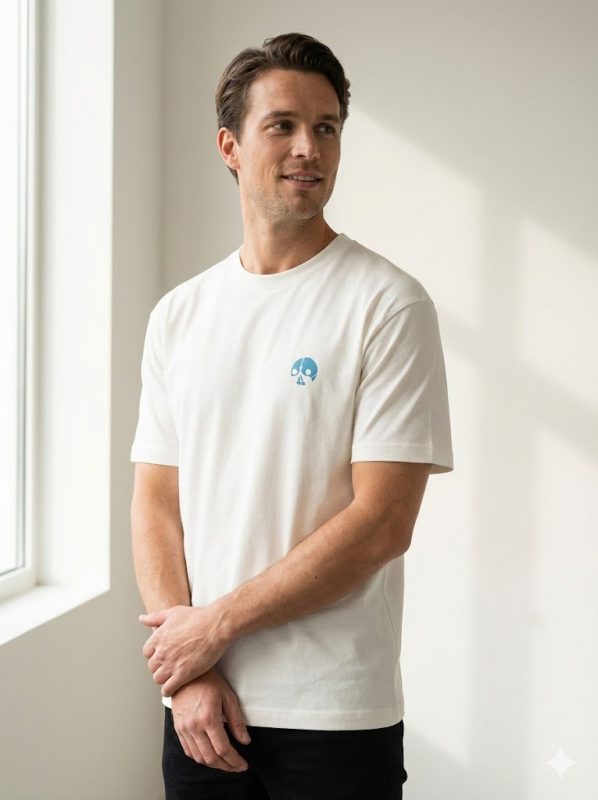
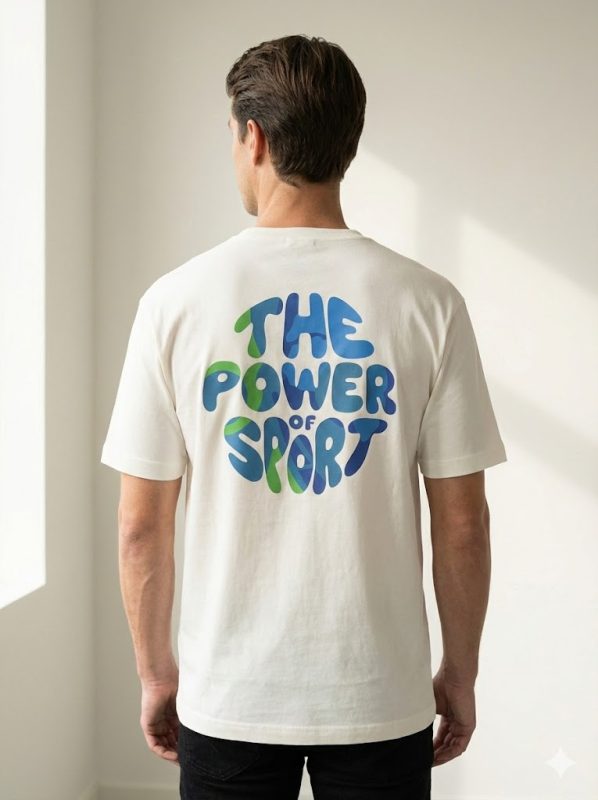
By taking part you receive this great The Power of Sports shirt from us. After you have filled in your personal details, we send you an email with your unique code. With that code you can order the ‘casual shirt’ for free.
To do this, go to our web shop, click on the casual shirt and enter your unique code. The shirt will be sent to you before you leave.
It’s also ideal to wear the shirt on your arrival day, so our colleagues abroad can easily spot you when you are picked up from the airport
Would you like to order extra shirts or other clothing? Of course you can! Feel free to have a look at the rest of our range. All clothing is high quality and delivered to your home before departure.
Worth knowing:
The full profit from the shirt goes straight to The Power of Sports Foundation. So you not only wear a great shirt, you also do your bit for our foundation!
Load shedding
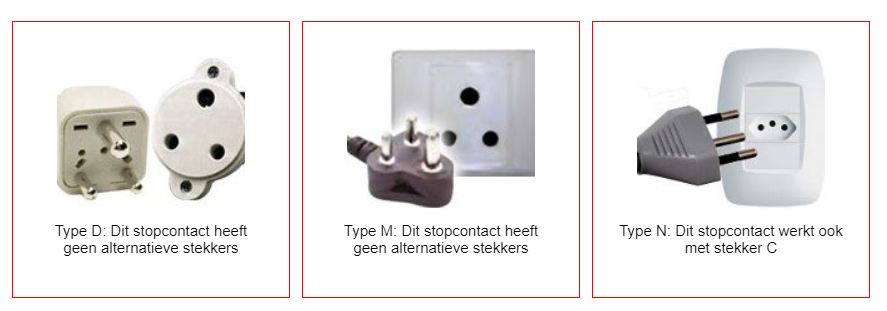
Since 2022 South Africa has had ‘load shedding’: the national electricity supplier switches off the power for about 2 hours, sometimes several times a day. Although it usually doesn’t have a big impact, it can be annoying in the evenings. At the accommodation, solar panels with batteries are connected in the office building, so there is usually power in the main building during load shedding.
Tip: bring a torch and a power bank so you are prepared!
Transport
Transport to and from Port Elizabeth airport (PLZ) is included. Transport between the accommodation and the activities is also arranged.
Money
The official currency in South Africa is the South African rand (ZAR). An approximate exchange rate is:
€1 ≈ 19 ZAR
For the latest exchange rate, visit www.xe.com.
Spending: allow a budget of around €75 to €100 per week during your stay in South Africa.
Food and drink
South African food is delicious and varied! During your stay you can try all kinds of meat, from impala and kudu to ostrich, usually cooked on a typical South African ‘braai’ (barbecue). Traditional dishes such as biltong, bobotie and boerewors are definitely worth trying.
Vegetarian: although South Africans love meat, there are plenty of vegetarian options too.
Drinking water: tap water is safe to drink in urban areas. Be careful in more rural areas.
Smoking and drinking
Smoking and drinking are allowed in South Africa, but smoking is banned in public places such as cinemas, bars and airports. Alcohol is affordable and South Africa is known for its good wines and local beers, which you should definitely try!
Respect others: only drink in moderation and make sure it doesn’t affect your work during the week. Antisocial behaviour will not be tolerated.
Greetings
South Africans value greetings highly, and a simple ‘hello’ and ‘goodbye’ go a long way towards making friends and being accepted. Take the time to learn a few local words; it will be appreciated! Shaking hands is also common; the Western way is fine, but you will probably pick up some local variations.
In general, South Africans are relaxed and friendly. Don’t worry about small social mistakes; they are unlikely to cause offence!

South Africa Experience
Four times a year a ‘South Africa Experience’ is organised. During this week you do the Garden Route together with all the other volunteers and interns. A fantastic way to say goodbye to South Africa. Press the button to see the full programme. If you’d like to join, let us know! The total cost is €490
Dates 2026:
27 March – 3 April
26 June – 3 July
14 – 21 August
6 – 13 November
Dates 2027
26 March – 2 April
25 June – 2 July
06 – 13 August
05 – 12 November
Confidential adviser
If something happens during your stay abroad that you would like to talk about with someone outside our organisation, you can contact one of our two confidential advisers. They are trained for this and offer an independent and confidential listening ear. Together you can discuss what happened and what support you might need.

Catherine (confidential adviser)
Tel: +31 6 27117466
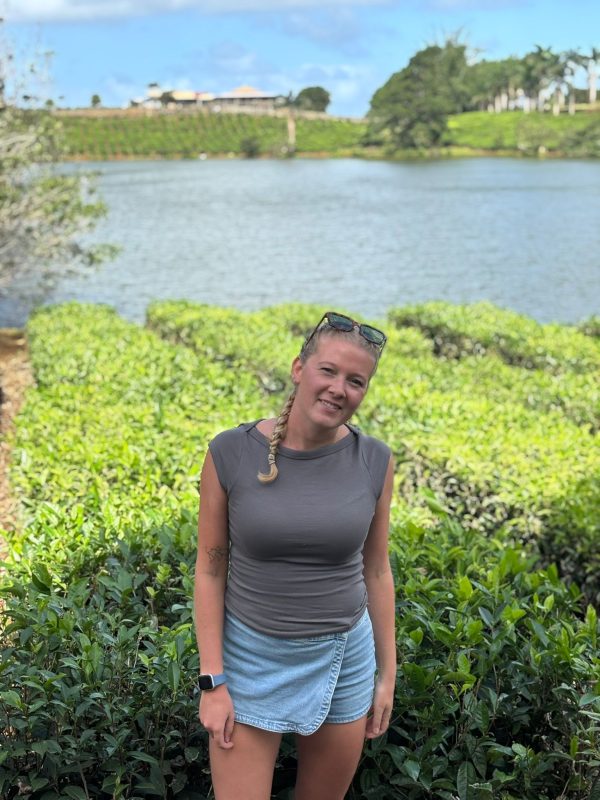
Juliette (Confidential Advisor)
Tel: +31 6 37350327
Hi, I’m Juliette. I’m originally from Leiden and completed my bachelor’s in Psychology and master’s in Forensic Psychology in England. I now live in Holland again, although I’m often abroad.
My passion lies in contact with people: I love to listen and talk, and I think it’s important that everyone feels heard, understood and at ease. I believe an open and safe atmosphere is the basis for personal growth and development. That’s why I try to meet the person in front of me without judgement and explore together what they need to move forward.
Besides my interest in psychology, I get a lot of energy from travelling, discovering new cultures and meeting different people. These experiences have broadened my view and help me look at others with an open, curious and empathetic attitude. The combination of travel and psychology is why I’m keen to be a confidential adviser for The Power of Sports.