

If you have any questions, you can reach your mentor at:
Phone +44 7758 484544 (09:00 to 17:00 UK time)
WhatsApp +44 7758 484544
mike@thepowerofsports.org
The Power of Sports team
Fill in your personal details
On this page you fill in your personal details. You can only do this after you have booked your flight. Click the green button to open the form. This Google Form lets you easily fill in all your details.
The information is automatically forwarded to our colleagues in Nepal. That way they are well prepared for your arrival and have important information such as your arrival time and date, medication, dietary requirements and emergency contact(s).
Make sure you fill in and send the form at least two months before departure. To be safe, also let your mentor know you have done so.
Fill in your personal details herePokhara Metropolitan City
Kaski District, Gandaki Province
33700, Nepal
Niraj Adhikari (founder, coordinator)
My name is Niraj Adhikari and I come from Pokhara, in the Kaski district of Nepal. I finished secondary school with English as my main subject.
I am a big sports fan and I have also worked as a trekking guide in Nepal for five years. I guide tourists from all over the world, which has helped me communicate well, be flexible and deal with different cultures. I think it is important that people feel welcome and safe, and I always do my best to help others as well as I can.
I speak and write English and Hindi fluently. People describe me as friendly, reliable and professional. I enjoy working in a team and I value honesty and respect highly.

Roel knows the Nepal programme well
He has spent long periods abroad several times and knows Nepal well, where he gained valuable experience and got to know the local community. During that time he also met Niraj, with whom he has built a strong bond ever since.
Together with his colleague Ruben (and the DKVS team abroad), Roel set up the project in Nepal in 2026: Kheldkud Ko Urja Nepal, which means ‘The Power of Sports’ in Nepali. This initiative grew out of their shared passion for sport and social involvement, with the aim of using sport to strengthen young people in Nepal in their personal development, self confidence and future prospects.
WhatsApp +44 7758 484544
- Be prepared for culture shock. To minimise it, it is a good idea to research the destination and culture as much as possible. That way you are ready for the different ways people act, communicate and greet each other, taboos and so on, and you realise that behaviour can simply be different and is not necessarily threatening or intimidating.
- Read up on the weather and typical weather patterns, so you know what variations to expect during your stay. This also helps you decide which clothes to take.
- Find out which diseases are common in the country and how they are caught, so you know how to prevent them or reduce the risk.
- Learn more about the creepy crawlies and other insects and animals in the country, so there are no unpleasant surprises!
Arrival information
When you arrive in Kathmandu, you can choose to book a hotel night in Kathmandu through the organisation and then travel on to Pokhara by bus the next day. You can indicate this when you submit your personal details.
In-country team
A number of people look after you during your stay in Nepal. You will be in contact with many of them during your project.
Food:
Nepali food is simple but nourishing. A common meal is dal bhat (rice with lentil soup and vegetables), often with unlimited refills. You can also find international dishes in tourist areas. Vegetarian options are widely available. Hygiene can vary, so choose places that look busy and clean.
Supermarket:
Small local shops are everywhere for basics such as water, snacks, toiletries and fruit. Larger supermarkets are limited, but in cities such as Pokhara and Kathmandu you can find more Western products. Don’t expect as wide a range as at home, though.
Cash machine:
Cash machines are available in both Kathmandu and Pokhara, especially in tourist areas. Bear in mind that transaction fees are often charged and that not all machines always work reliably. It’s wise to always have some cash as a back up.
Tap water:
Tap water in Nepal is not drinkable. We strongly recommend always buying bottled water or filtering/purifying water with tablets or a filter bottle. Many travellers also use bottled water to brush their teeth as an extra precaution.
Restaurants / bars:
Passport
Your passport is your most important document when travelling abroad. Make sure your passport is still valid for at least six months after you return home. Don’t put your passport in the overhead lockers when flying. Keep it on you at all times.
Visa
A visa is required for a stay in Nepal. It can easily be arranged on arrival at the airport (visa on arrival), for example at Kathmandu international airport.
On arrival you can choose from different lengths of stay, usually 15, 30 or 90 days. Most participants choose a 90 day visa. The cost depends on the length and must be paid on the spot (preferably by credit card or in cash in a common currency).
If you want to stay in Nepal for longer than 90 days, you can extend your visa at an immigration office, such as in Kathmandu or Pokhara. In total you can stay in Nepal as a tourist for a maximum of 150 days per calendar year. Make sure you arrange the extension in time to avoid fines.
Another option to extend your stay is to leave the country temporarily and re-enter, for example with a short trip to a neighbouring country such as India. After entering you can apply for a new visa, as long as you stay within the annual limit.
When you enter Nepal, you receive a tourist visa that starts on the day of arrival. It’s important to check the current visa rules before and during your stay, as they can change.
Please note: in Nepal too, leaving the country temporarily is sometimes used to stay longer, but this is not an official extension procedure. Your stay remains based on a tourist visa and is always subject to the rules of the immigration service.
DBS check
In this email you only need to follow a few steps to complete the application process.
This allows us to make sure all our team members meet the required standards and contribute to a safe and positive experience for the young people we work with.
Photocopies
It is always wise to make copies of all your important documents. Keep one copy with you abroad (separate from the original documents, of course!) and leave another copy at home with a friend or family member. We recommend making photocopies of the following documents in case of loss or theft:
Passport: your passport number, date and place of issue and any visa.
Flight details: your flight numbers, connections and destination airports.
Insurance policy: your policy number and 24 hour medical emergency number.
Vaccination card: documents showing which vaccinations you have had.
Bank cards: the phone number you need to report or cancel credit or debit cards.
Email yourself!
It is also wise to scan your important documents and attach them as jpeg files to an email. You can then send this email to an account you can access anywhere in the world. This way you still have copies of your documents even if the originals and photocopies are lost or stolen.
Voluntourism
The topic of ‘voluntourism’ gives plenty to talk about, and we completely understand that! You may have heard of ‘orphanage tourism’, but voluntourism is much broader than that. It is really important that you, as a volunteer or intern, are aware of this topic and the influence it can have. At our organisation we set up our projects ourselves and think carefully about every aspect of voluntourism. To set ourselves apart from other organisations, we are even a co founder of ‘Volunteer Aware’, a quality mark that shows we avoid harmful forms of voluntourism.
But it is essential that we consider our behaviour carefully not only as an organisation, but also as individuals. A well known phenomenon within voluntourism is the so called ‘white saviour syndrome’, where Western volunteers and interns tend to see themselves as the saviours of less privileged communities in other countries. Although our programmes definitely have a positive impact, we must stay aware of the limits of our role. As a volunteer or intern you have a supporting role within the project. Remember that we are guests in the community where we work and that our role should mainly focus on supporting local initiatives and listening to the needs of the community.
To help you better understand voluntourism, we recommend watching the video below. It will help you become aware of the key principles of responsible voluntourism and how to apply them in practice during your project.
We are incredibly grateful for your commitment and dedication in taking part in our programmes. Let’s work together towards a responsible and respectful approach to volunteering or interning abroad.
Insurance
Taking part in activities of The Power of Sports is at your own responsibility. Before and during the activity, everyone must have valid health and travel insurance covering medical costs, repatriation, accidents and liability. For activities abroad, an EHIC or GHIC is also required where applicable. Insurance details must be provided on registration; without them, participation may be refused or ended without a right to a refund, insofar as permitted by law.
The Power of Sports and its partners are insured for their business operations, but medical costs and loss of or damage to personal belongings are always at your own expense, unless directly caused by a mistake by The Power of Sports or its partners. For full details see our terms and conditions.
To make sure you are properly insured, we recommend European Insurances. They know our programmes and can give you professional advice, including for trips outside Europe. Through their website you can easily request a call back and get tailored advice within 24 hours. Please check that the policy is available to UK residents; if not, choose a UK travel insurer that covers volunteering and sports activities abroad.
European InsurancesVaccinations
If you are travelling to Nepal, some vaccinations are recommended to protect your health:
- DTP vaccination (diphtheria, tetanus and polio): recommended for all travellers to Nepal.
- Hepatitis A vaccination: also recommended for everyone, regardless of the length of stay.
- Typhoid vaccination: recommended for stays of more than a few weeks or when travelling outside the more touristy areas, such as in and around Pokhara.
- Hepatitis B vaccination: recommended for a longer stay or possible medical contact.
- Rabies vaccination: recommended for stays longer than three months, or if you come into a lot of contact with animals (such as stray dogs or monkeys).
Mosquito borne diseases such as dengue also occur in Nepal. Malaria occurs to a limited extent and usually not in Pokhara itself, but protection against mosquitoes is important.
Vaccination against yellow fever is required for Nepal if in the seven days before entering Nepal you have been in a yellow fever country (sub-Saharan Africa and South America). This also applies if you had a stopover of more than 12 hours in such a country.
Use insect repellent with DEET, wear covering clothing and sleep under a mosquito net if necessary.
Vaccination advice can differ depending on your personal situation and the length of your trip. So contact your GP or a travel clinic well before departure for tailored advice.
Health and hygiene
We are not qualified to give medical advice about your personal health. It is therefore essential to get professional advice from your GP or a travel clinic before departure.
As always: prevention is better than cure. Good preparation reduces the chance of health problems during your stay.
What can you do to prepare for your trip?
Check-ups before departure
- Visit your GP or a travel clinic for vaccinations and advice.
- Ideally plan this 2 to 3 months before departure.
- Check whether your medication is allowed in Nepal and bring a doctor’s letter if necessary.
- Visit the dentist beforehand to avoid problems during your trip.
Food and drinking water
Stomach and bowel problems are common, especially in the first few days.
- Only drink bottled (or boiled/filtered) water.
- Avoid ice cubes and uncooked food such as raw vegetables.
- Preferably eat at places where food is freshly prepared.
Sun and heat
The sun can be strong in Pokhara too.
- Avoid direct sunlight in the middle of the day.
- Wear sunglasses and a cap or hat.
- Use high factor sun cream.
- Drink enough water to prevent dehydration.
Hygiene and infections
- Wash your hands regularly or use hand sanitiser.
- Avoid contact with stray animals because of rabies.
- Be careful with small wounds and look after them properly.
HIV and AIDS
- All participants should be aware of HIV and how it is transmitted. HIV and AIDS are present all over the world, so make sure you follow these basic rules wherever you are:
- Avoid casual sex and contact with infected bodily fluids
- Never let yourself be injected with an unsterilised needle or syringe
- avoid any other blood contact wherever possible
First aid
It’s wise to bring a personal first aid kit. Think of plasters, antiseptic, ORS (against dehydration) and any medication of your own. Take it with you every day during activities.
Safety & security
Nepal is generally a safe country, and Pokhara is known as a relatively calm, touristy place. Still, it’s important to stay alert and aware of your surroundings. Petty crime such as theft can occur, especially in busy places.
The guidelines below help limit the risks:
- Preferably don’t go out alone, especially in the evening or at night.
- Ask which areas are safe and less safe, and avoid remote places.
- Keep important documents (passport, visa) and valuables in a safe place, such as a hidden bag or money belt.
- Only carry the cash you need.
- Don’t wear eye catching jewellery or expensive accessories.
- Be wary of people who are overly friendly or pushy.
- Keep valuables such as phones and cameras out of sight as much as possible.
- Take extra care of your belongings in busy areas such as markets and bus stations.
- Always ask about the safety of a place before swimming (lakes/rivers).
Practical precautions
- Preferably use a money belt or bum bag under your clothes.
- Withdraw money at reliable cash machines, preferably during the day and in busy, well lit places.
- Travel and do activities together as much as possible.
Behaviour and clothing
Nepal has a different culture from what you may be used to at home, with more emphasis on respect, modesty and social norms. How you behave and dress affects how people react to you.
Some guidelines:
- Dress respectfully (covered shoulders and knees, especially at temples or in local communities).
- Avoid eye catching or provocative behaviour.
- Show respect for local customs and traditions.
- Learn about forms of greeting, such as “namaste”.
- Be aware of your role as a guest and representative of the organisation.
- Travelling in large groups can be experienced as intimidating; bear this in mind.
Language and attitude
You are a guest in another country and represent The Power of Sports. Inappropriate language, such as swearing, will not be tolerated.
- Stay respectful in communication, even in difficult situations.
- Avoid confrontational or condescending behaviour.
Drugs
Using, possessing or dealing drugs is illegal in Nepal and can lead to severe penalties.
- Never use, buy or possess drugs.
- Breaking this rule can lead to arrest, high fines and imprisonment under local conditions.
- If you break it, your participation in the programme will end immediately.
Alcohol
Alcohol can affect your behaviour and judgement.
- Limit your alcohol intake and drink responsibly.
- Preferably don’t drink on weekdays during the programme.
- Always stay in control and avoid risky situations.
Click the link for our current Terms and conditions and code of conduct
The Power of Sports – Code of conduct
As a volunteer or intern with The Power of Sports, you help create a safe, respectful and positive environment for everyone involved in the project. This short code of conduct describes what is expected of you.
1. Respect and behaviour
- Treat all participants, colleagues, volunteers and interns with dignity and respect.
- Discrimination, intimidation, bullying, abuse or any form of inappropriate or transgressive behaviour will not be tolerated.
- Always contribute to a safe, inclusive and supportive environment, and outside project activities too, show respect for local culture, norms and customs by avoiding behaviour or expressions that could be experienced as offensive, disrespectful or inappropriate in the local context.
2. Professionalism and integrity
- Act honestly, responsibly and professionally.
- Do not misuse your position, information or project resources for personal gain.
- Follow the instructions and guidelines of project coordinators where necessary, when they relate to safety, cooperation or the reputation of the project.
- Offering or accepting inappropriate gifts or other unlawful benefits is prohibited.
3. Laws, rules and safeguarding
- Comply with all applicable local laws and project rules.
- Respect all safety, health and safeguarding regulations, including child protection policies where applicable.
- Respect the house rules of accommodation and partner organisations, follow coordinators’ instructions regarding safety, wellbeing and regulations, and be aware of your role as a representative of the project during your stay and activities.
4. Use of property and resources
- Handle project and partner property, facilities and materials with care.
- Use these resources only for legitimate project related purposes.
5. Communication and cooperation
- Work constructively and respectfully with fellow volunteers, interns, staff and partners.
- Communicate openly, honestly and professionally in all project related situations, both during and outside working hours when it concerns the project.
- Respect agreed schedules, working arrangements and responsibilities.
- Report concerns, incidents or suspected misconduct to your supervisor or project coordinator as soon as possible.
- Inform your supervisor in good time in case of illness, delay or absence, and always agree changes in planning or attendance in advance with the coordinator responsible.
- Take responsibility for your own wellbeing and consider the safety and wellbeing of others in the project environment.
6. Drugs / alcohol
- The possession, use, purchase or distribution of illegal drugs or narcotics is strictly prohibited for the entire period you stay with us.
- Breaking this rule leads to immediate termination of participation and may lead to removal from the project and/or accommodation.
- You are responsible for complying with local laws on drugs and alcohol, which in some countries may be stricter than in your own country.
7. Sexual contact and transgressive behaviour
- Sexual harassment and transgressive behaviour are not permitted.
- Sexual contact with minors is strictly prohibited and leads to immediate termination of participation and possible reporting to the authorities.
- Sexual contact between volunteers, interns, staff or others involved is discouraged in order to maintain professional boundaries.
8. Conflicts of interest
- Avoid situations in which personal interests could conflict with your role as a volunteer or intern.
- Report any actual or potential conflicts of interest to the project coordinator immediately.
9. Compliance
- Compliance with this code of conduct is a condition of participation as a volunteer or intern.
- In serious cases, non compliance may lead to immediate termination of participation without a right to a refund.
10. Use of photos and video
- Photos and videos taken during project activities are the property of The Power of Sports.
- Volunteers and interns may only use this footage for project related purposes and with the prior permission of the organisation.
- Sharing photos or videos on social media or other external platforms is only allowed with permission, always respecting the privacy and safety of participants and third parties.
What to bring for Nepal
This list helps you choose and pack suitable clothing and equipment for your trip to Nepal. The climate can vary: it’s often warm during the day, but especially in winter and in mountainous areas the evenings and nights can be quite cold. The atmosphere is informal, so formal clothes such as suits or ball gowns aren’t needed.
On arrival you receive a (sports) shirt from our organisation to wear while coaching. As you won’t want to wear it every day, it’s important to bring enough sportswear of your own.
Recommended clothing
- Fleece or warm jacket: essential for cold evenings and mornings, especially in winter and at higher altitudes.
- Jumpers (wool or fleece): bring several warm layers.
- T-shirts: plenty of light T-shirts for everyday use.
- Sports shirts: you get one, but bring several of your own for variety.
- Shorts: handy for warm days.
- Long trousers: preferably cotton; comfortable in the cold and protection against insects.
- Socks: bring enough, especially if you do a lot of sport.
- Sports/football socks: handy for training or matches.
- Underwear: cotton underwear, enough for at least a week.
- Swimwear: for swimming or trips.
- Hat or cap: protection against the sun; a wide brimmed hat gives extra protection.
Shoes
- Trainers: sturdy shoes that can get dirty (lots of outdoor activities).
- Casual shoes: one pair is enough.
- Sandals or flip flops: comfortable for warm days (ideally with an ankle strap for support).
Rainwear
- Waterproof jacket: lightweight, breathable and resistant to showers (especially in the rainy season).
Other essentials
- Sun cream (SPF 30 or higher): protection against the strong sun.
- Sunglasses: against bright sunlight.
- Mosquito and insect spray (at least 50% DEET)
- Personal first aid kit: for minor injuries or discomfort.
- Torch: handy during power cuts (your phone can also do the job).
- Water bottles: bring one or two reusable bottles (staying hydrated is important).
- Wash bag: with basic toiletries.
- Towels: at least two, plus a beach towel if you like.
- Camera/phone: to capture your experiences.
- Small day bag: for everyday use and trips.
- Sleeping bag (optional): handy if you travel on after your stay.
The Power of Sports clothing
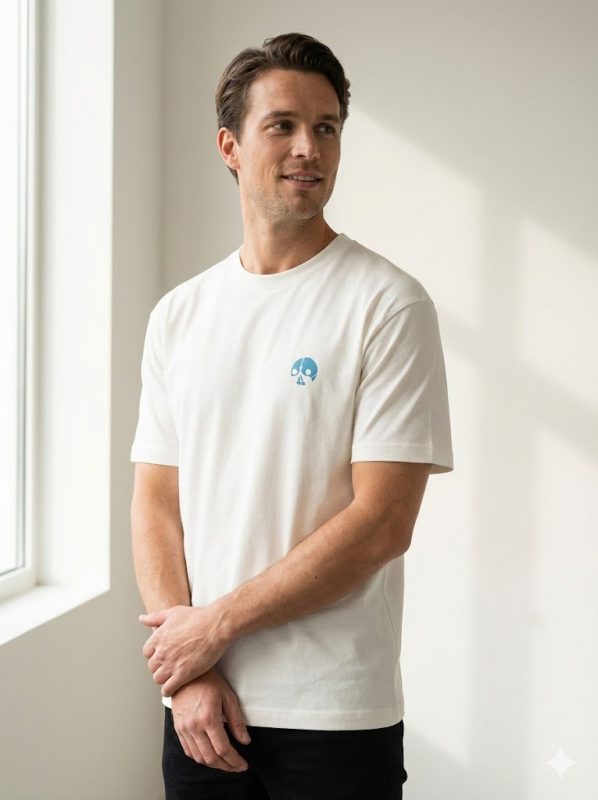
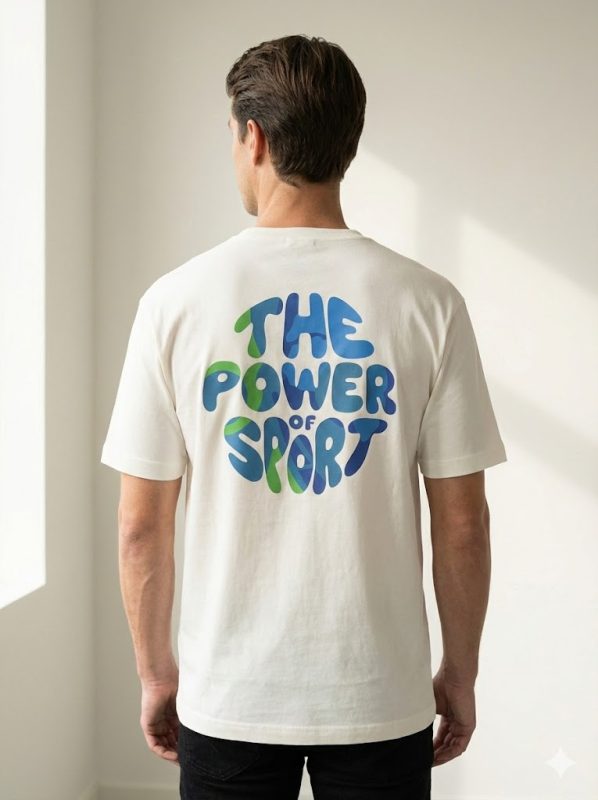
By taking part you receive this great The Power of Sports shirt from us. After you have filled in your personal details, we send you an email with your unique code. With that code you can order the ‘casual shirt’ for free.
To do this, go to our web shop, click on the casual shirt and enter your unique code. The shirt will be sent to you before you leave.
It’s also ideal to wear the shirt on your arrival day, so our colleagues abroad can easily spot you when you are picked up from the airport
Would you like to order extra shirts or other clothing? Of course you can! Feel free to have a look at the rest of our range. All clothing is high quality and delivered to your home before departure.
Worth knowing:
The full profit from the shirt goes straight to The Power of Sports Foundation. So you not only wear a great shirt, you also do your bit for our foundation!
Phone
The international dialling code for Nepal is +977.
Wifi is available at most places in Pokhara. Apps such as WhatsApp work well here.
SIM card
You can easily buy a local SIM card from providers such as Ncell or Nepal Telecom. It’s often cheap and handy for mobile internet.
You need your passport to buy one. In the shop they’ll help you set it up.
Laundry
There are plenty of launderettes and laundry services in Pokhara. For a small fee you can have your clothes washed.
Electricity
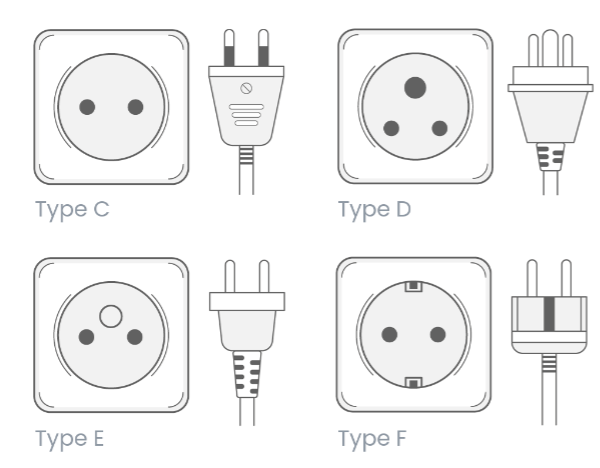
Nepal mainly uses type C, D and M plugs. The mains voltage is 230V.
A universal travel adapter is recommended, as not all sockets are the same. If you live in the UK you will definitely need one.
Money
The official currency is the Nepalese rupee (NPR).
An approximate exchange rate is:
€1 ≈ 140 NPR (can fluctuate)
We recommend bringing both cash and a debit/credit card. There are cash machines in Pokhara.
On average you’ll spend about €50 to €100 per week, depending on your lifestyle.
Withdrawing money
You can withdraw money at cash machines in Pokhara. Bear in mind the transaction fees. It’s wise to withdraw larger amounts in one go.
Food and drink
Nepali food often consists of rice, lentils (dal), vegetables and sometimes meat. A typical meal is dal bhat.
Vegetarian food is easy to find and often even the norm.
- Preferably don’t drink tap water, but bottled or filtered water.
- Avoid ice cubes and unwashed food.
Smoking and alcohol
Alcohol is available in Nepal, but drink in moderation.
- Drink responsibly and keep your role as a volunteer in mind.
Excessive drinking and inappropriate behaviour will not be tolerated
During your stay in Pokhara there is plenty of time besides volunteering to explore the area. The city and its surroundings are known for their impressive nature, relaxed atmosphere and many adventurous options.
Trekking and nature
Pokhara is the base for short treks in the Himalayas. There are several routes that are very doable in 2 to 5 days.
A popular option is the Dhampus–Australian Camp trek, where you enjoy beautiful views of the Annapurna range and get to know local village life.
If you’re looking for more of a challenge, treks such as Mardi Himal and Ghorepani are highly recommended. These routes usually take 3 to 4 days and offer spectacular mountain scenery and a unique insight into life in more remote areas.
Adventure and short activities
Even with a shorter stay there are plenty of options. In and around Pokhara you can choose from various adventure activities, such as:
- Paragliding over the city and Phewa Lake
- Bungee jumping
- Canyoning (abseiling down waterfalls)
You can also easily take a day trip to surrounding villages, where a homestay lets you experience local life up close. This is a valuable and authentic addition to your stay.
Culture and relaxation
Pokhara also has a lot to offer culturally. There are various temples and religious sites well worth a visit. The city also has a relaxed atmosphere, with lots of friendly cafés and restaurants.
An absolute must is a boat trip on Phewa Lake or Begnas Lake. These lakes are calm, surrounded by nature and offer a stunning view of the mountains.
Viewpoints
For the best views, head to the various viewpoints around Pokhara. Sunrise and sunset are especially impressive, with a clear view of the Himalayas and the surrounding landscape.
Good to know
- Many activities are easy to arrange locally in Pokhara through Niraj.
Confidential adviser
If something happens during your stay abroad that you would like to talk about with someone outside our organisation, you can contact one of our two confidential advisers. They are trained for this and offer an independent and confidential listening ear. Together you can discuss what happened and what support you might need.
Catherine (confidential adviser)
Tel: +31 6 27117466
Juliette (confidential adviser)
Tel: +31 6 37350327
Hi, I’m Juliette. I’m originally from Leiden and completed my bachelor’s in Psychology and master’s in Forensic Psychology in England. I now live in Holland again, although I’m often abroad.
My passion lies in contact with people: I love to listen and talk, and I think it’s important that everyone feels heard, understood and at ease. I believe an open and safe atmosphere is the basis for personal growth and development. That’s why I try to meet the person in front of me without judgement and explore together what they need to move forward.
Besides my interest in psychology, I get a lot of energy from travelling, discovering new cultures and meeting different people. These experiences have broadened my view and help me look at others with an open, curious and empathetic attitude. The combination of travel and psychology is why I’m keen to be a confidential adviser for The Power of Sports.