Argentina
Volunteering
Buenos Aires


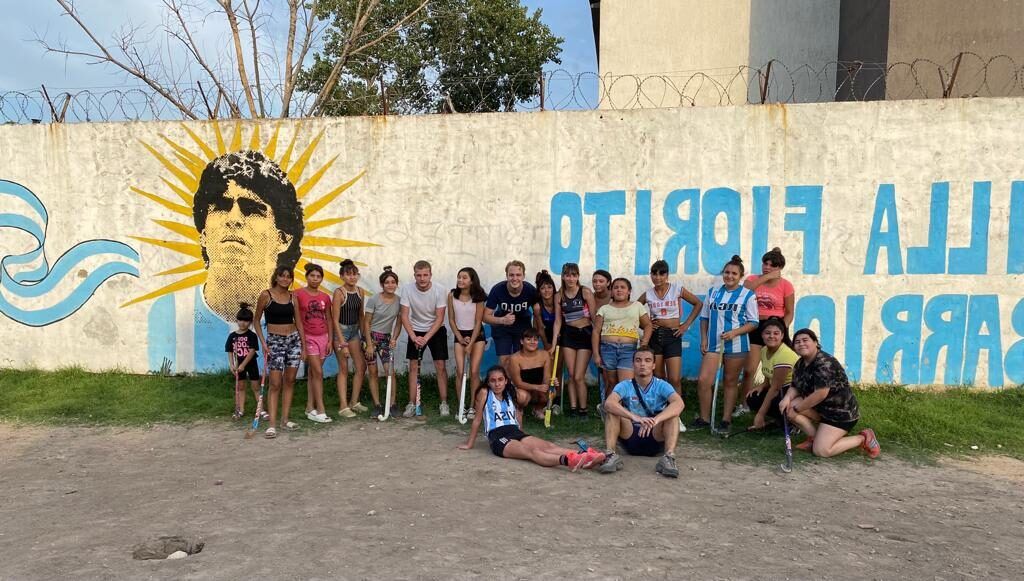
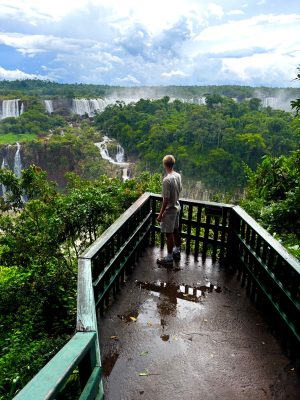
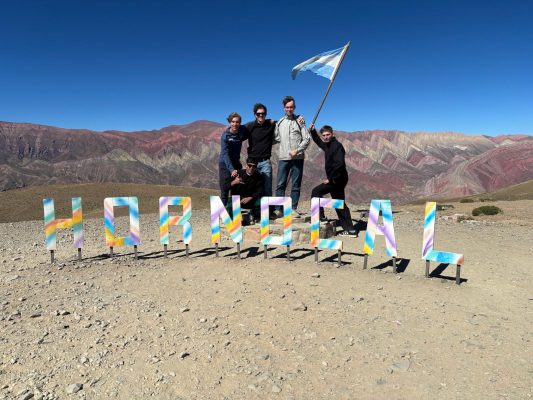
Argentina is known for its landscapes, its culture and its passion for football. Buenos Aires is a city of architecture, tango and street life. Further afield lie the Iguazú Falls, the Andes, Patagonia and the Perito Moreno glacier.
Argentinian cuisine revolves around the asado, with empanadas and mate on the side. And football is more than a sport: Maradona and Messi come from here, and La Albiceleste has won the World Cup three times.
At the same time there is a major poverty problem. According to the World Bank, around 42 per cent of the population lived below the poverty line. Buenos Aires has many neighbourhoods where crime, drugs and violence result directly from this. You will work with the young people from those neighbourhoods.
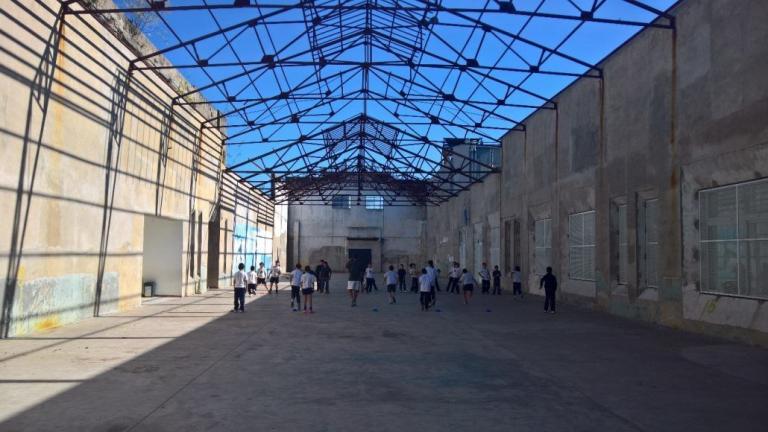
Argentina’s economy has fluctuated for decades, with high inflation, debt and crises. Our colleagues feel this directly: more and more children are coming to the programmes. Reason enough to give them a hand.
Our colleagues use sport to improve the lives of these children. They create a safe place full of sport and laughter, where children learn along the way to work together, make choices, lead and communicate. You run training sessions, always together with the Argentinian coordinators. You are never on your own.
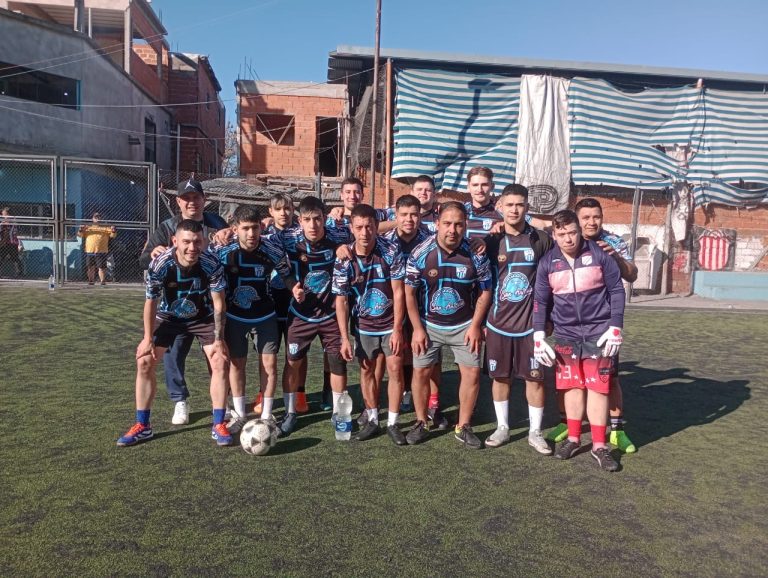
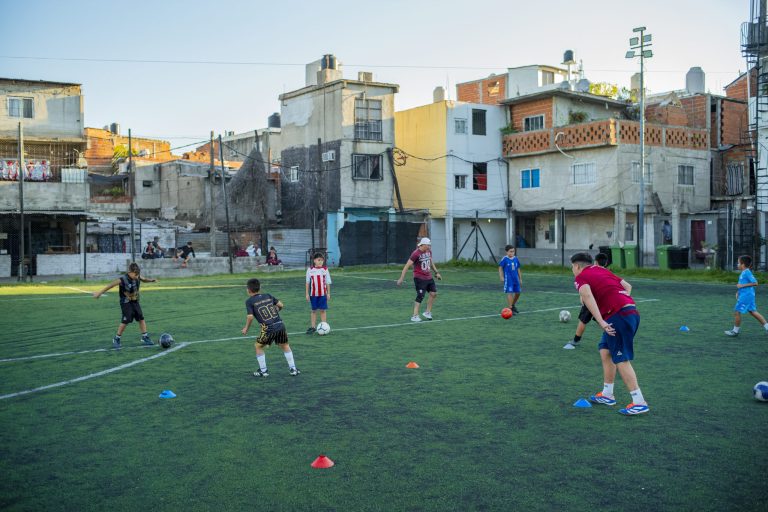
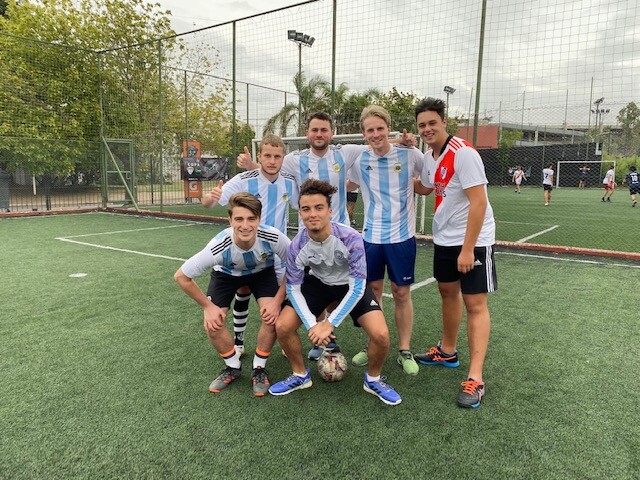
Football is played here on every pitch, in the street and in every alley. You coach at a football school and at local clubs, with players aged four to sixteen from the deprived neighbourhoods of Buenos Aires.
Coaches of every level are welcome. It does help if you play yourself, understand the game and know the rules. The emphasis is on the children’s social development, not on finding the new Maradona.
You assist the coaches, come up with new drills and teach the players tactics and team play. If you’d also like to help with teaching English, you can. Sessions are on weekdays and last three to four hours, so you have time left to see the country. In January there are summer camps for sixteen to twenty five year olds, where you can join in and play too.
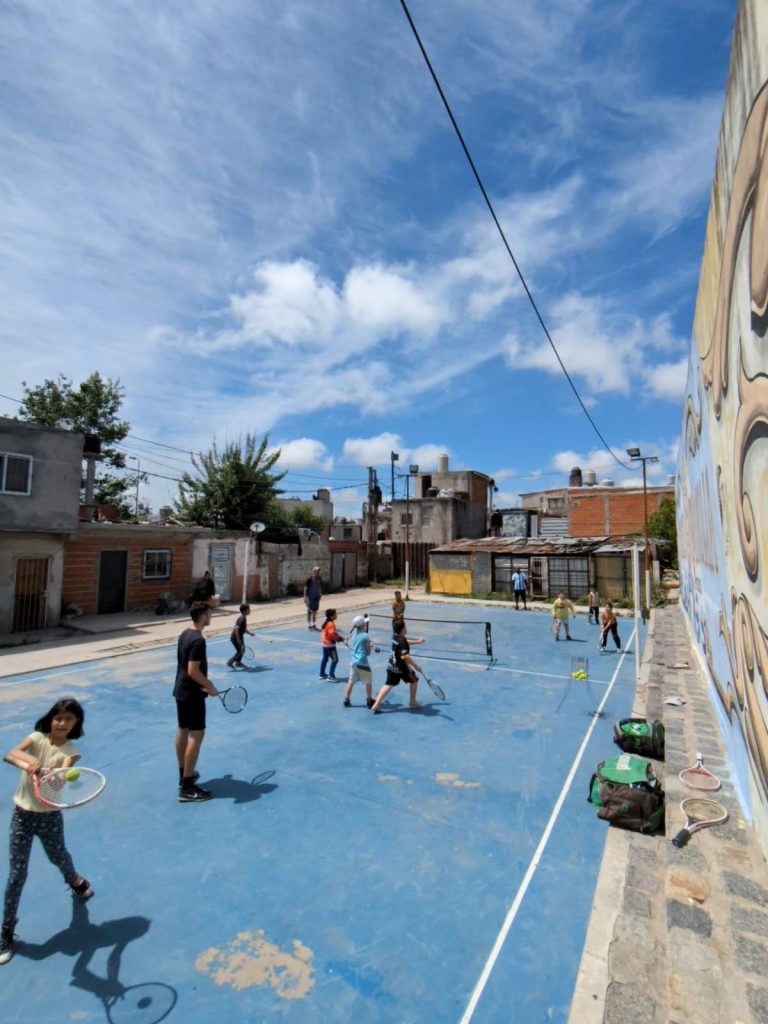
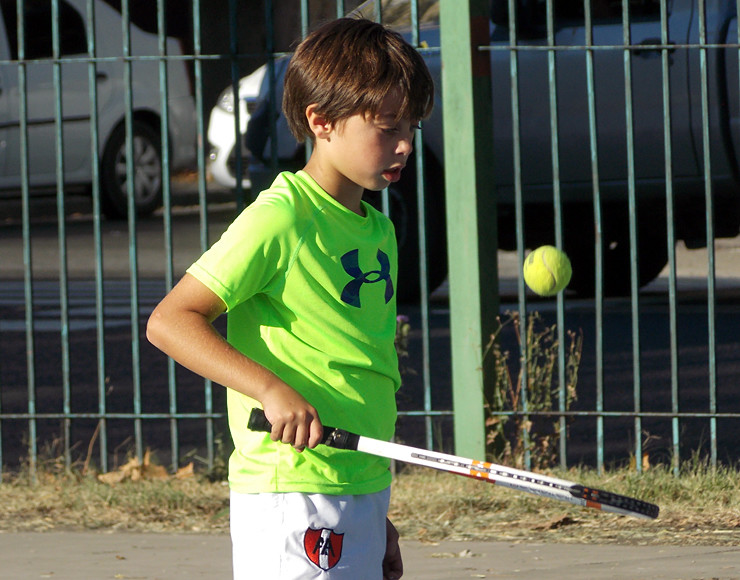
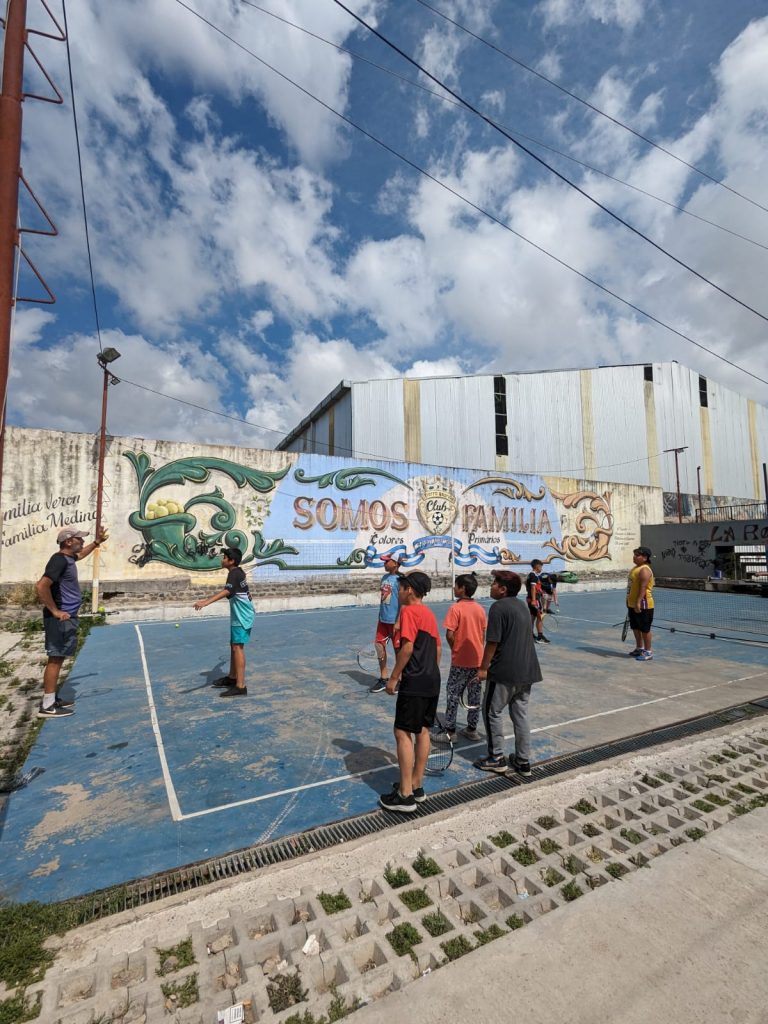
The tennis project has two parts. The first is an Argentinian government project that introduces children aged eight to twelve to tennis. The government deliberately brings in foreign volunteers, because this way the children also pick up English.
The second part is for players aged thirteen to eighteen who want to play at a higher level. That is about personal coaching, match preparation and sometimes the first steps towards a real career.
You organise the sessions together with the local coaches, work individually with players on their serve, backhand and movement, and learn Spanish yourself along the way. Here too you can help on the educational side.
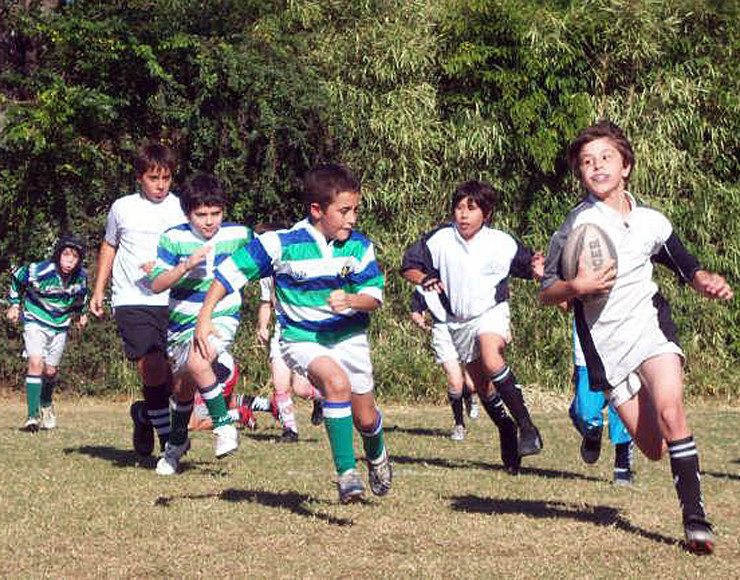
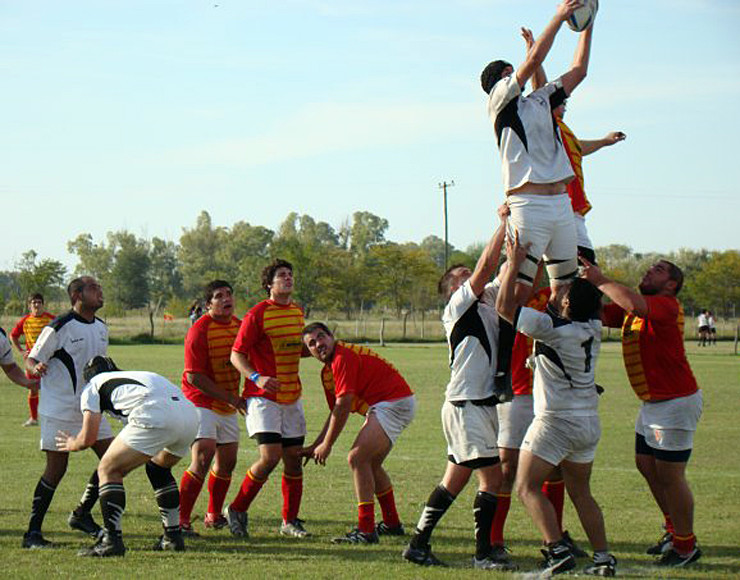
After football, rugby is Argentina’s most popular sport, but it is mainly played by the middle class. Children in disadvantaged neighbourhoods watch from the sidelines because they don’t have access to even the simplest equipment. By taking part, you give more children the chance to play.
You work in two places: in the city’s sports centres, where the government uses rugby to get children playing sport, and at a local rugby club, where training and matches take place in the evenings and at weekends.
In the sports centres you help the coaches with drills for children aged six to sixteen: passing, kicking, running with the ball. At the club it is more about tactics and team play. You don’t need coaching qualifications, but playing experience comes in handy. Before training there are homework sessions where you can help with English.
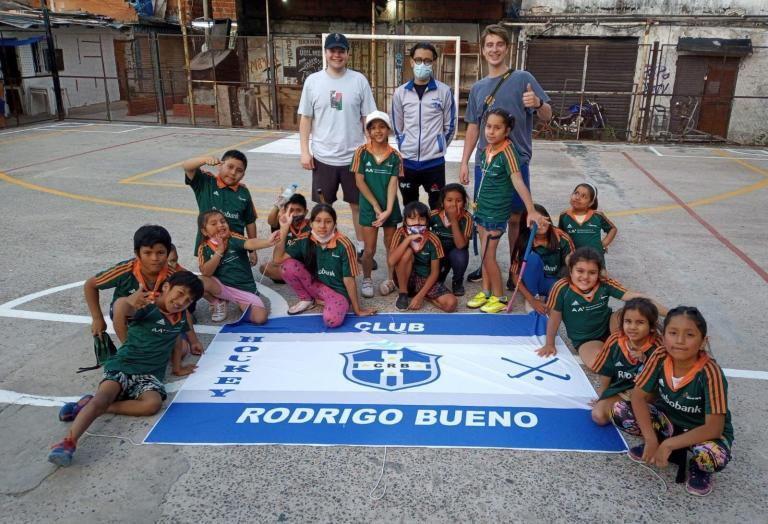
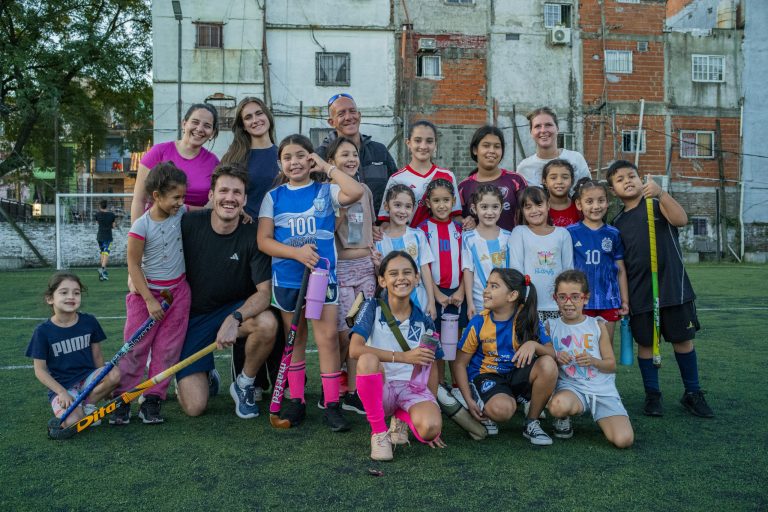
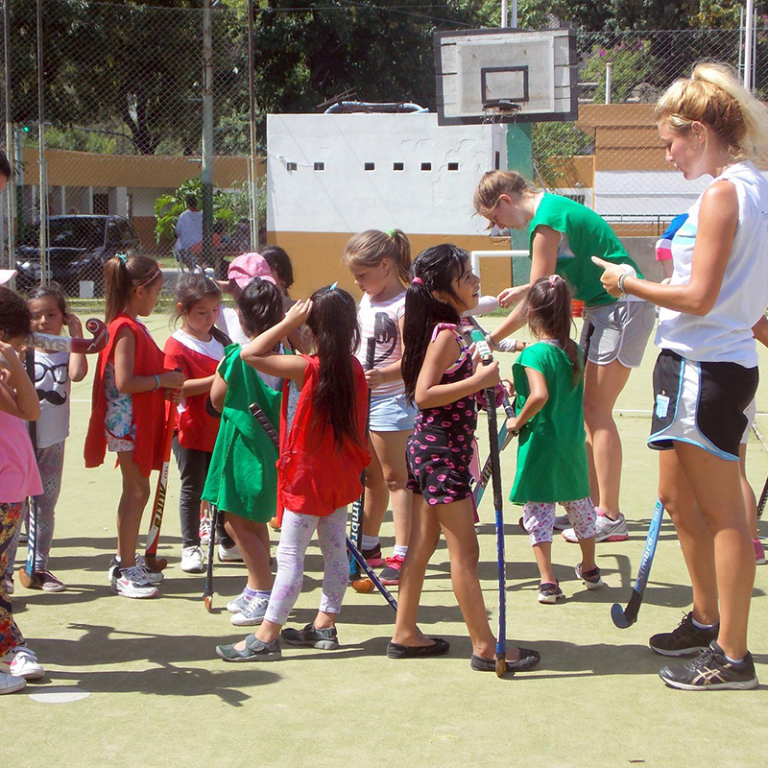
Hockey is the biggest women’s sport in Argentina, and more and more boys are taking it up. The women’s national team has been at the top for years. Yet many schools and organisations struggle to pay for sticks and balls, and good coaches are scarce.
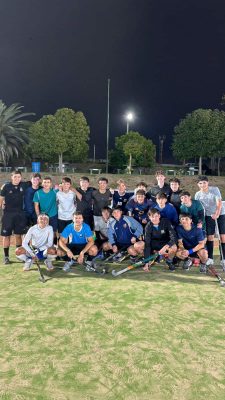
We have two hockey projects. The first promotes hockey in disadvantaged neighbourhoods, often on grass pitches, at a foundation that uses the sport against poverty and crime. The second shows you Argentinian hockey at its best at the clubs.
You organise after school sessions with drills on passing, positioning and keeping possession, first with support and then on your own. At the clubs you can bring in your own drills. And you can play yourself, which is also the quickest way to learn Spanish and get to know people.
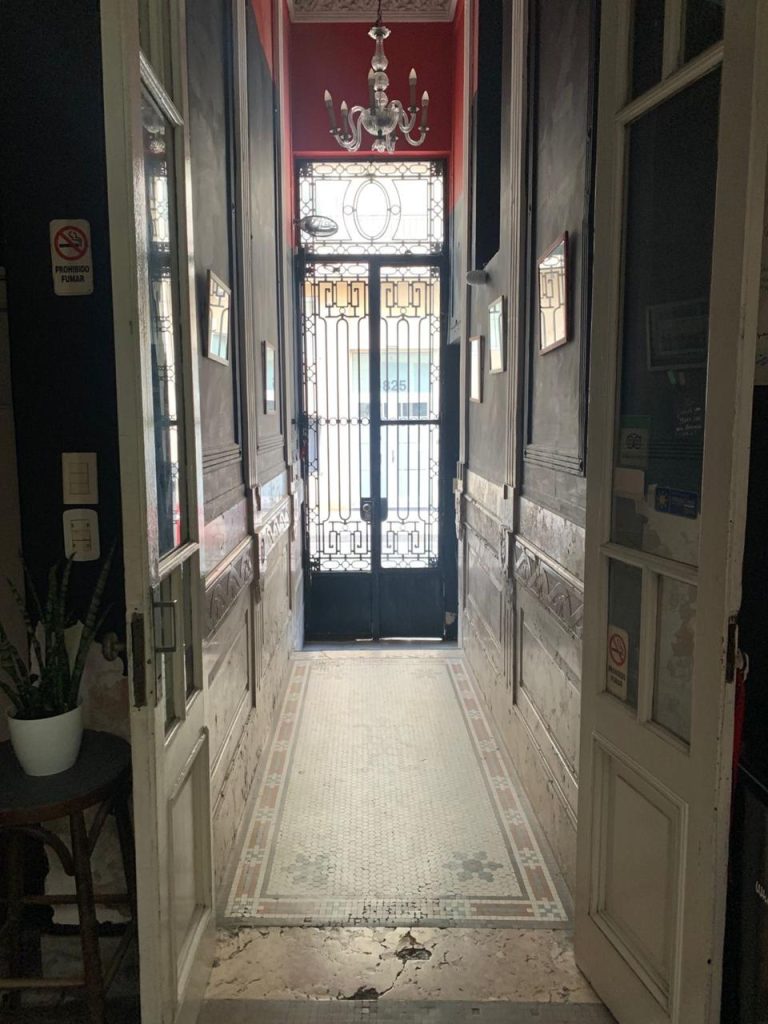
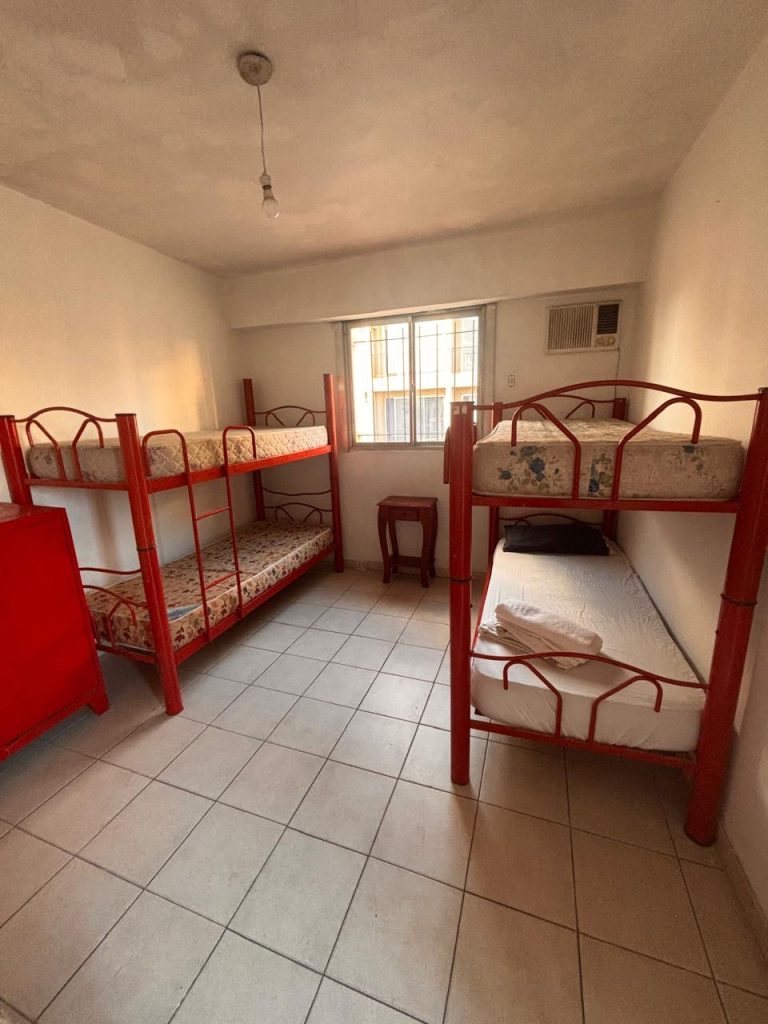
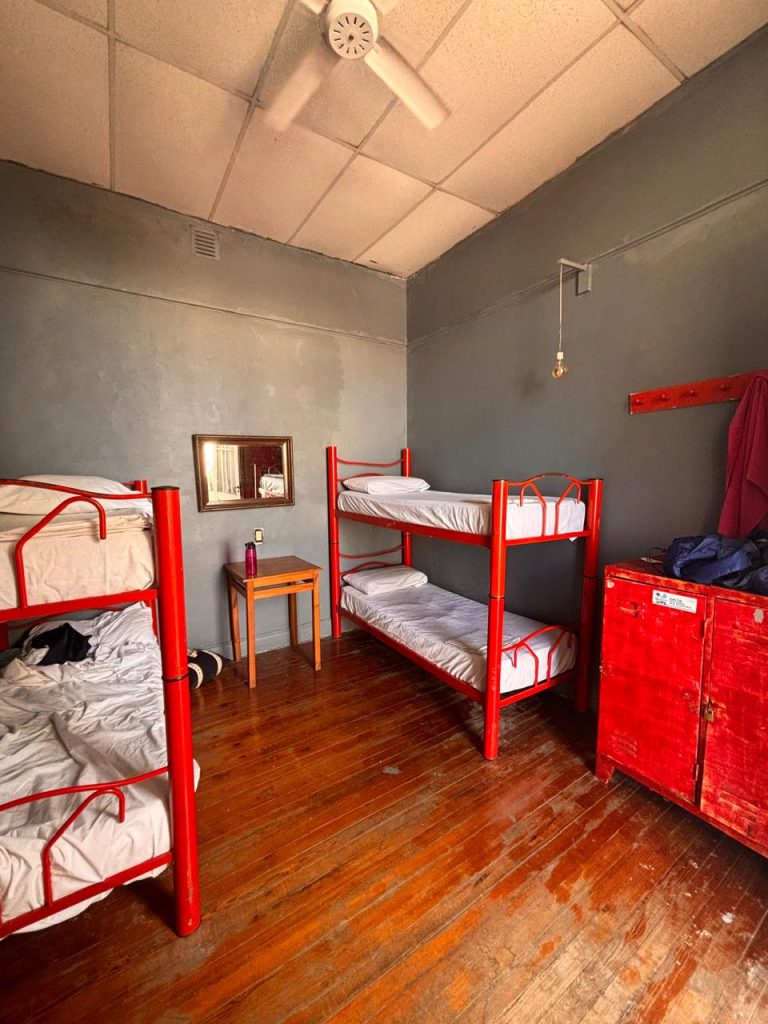
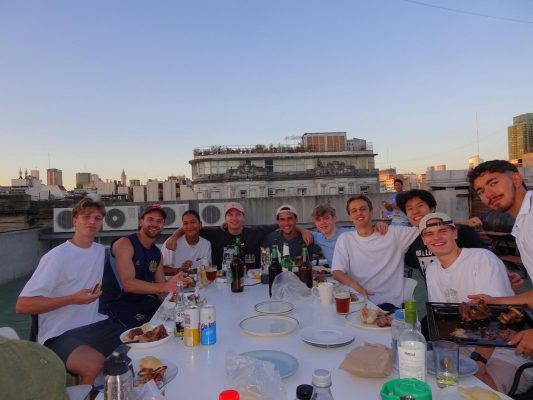
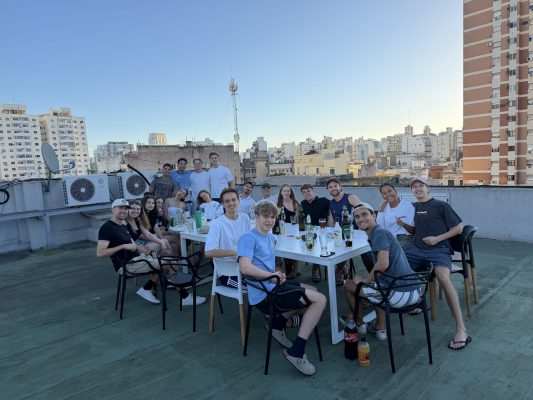
You stay in the middle of Buenos Aires, in the historic San Telmo district. Colourful streets, tango, cafés and always something going on. Lighthouse Coliving is an international house where volunteers, students and travellers from all over the world come together.
There are comfortable bedrooms, spacious communal areas, a fully equipped kitchen, wifi and plenty of places to work, eat or do nothing at all. Supermarkets, restaurants and public transport are around the corner, and your project is easy to reach.
Arrival: we can pick you up in Buenos Aires at any time. Friday, Saturday or Sunday is preferred.
Alejandro set up a foundation for children and young people from the poorer neighbourhoods of Buenos Aires in 2010, shortly after completing his master’s in International Relations in London. He first studied our colleagues’ approach thoroughly and then adapted it to what young people in Argentina need.
He is mad about sport, and hockey in particular, is close to the professional hockey circuit and looks with admiration at the Dutch way of organising. You can see that in his own project.
Ceci is a Spanish teacher at the University of Buenos Aires and Alejandro’s partner. She gives the online Spanish lessons, intended for complete beginners. Highly recommended, as the English of our target group is limited.
Ten one hour lessons, every Monday at 8pm Dutch time (7pm UK time). Free from ten weeks, otherwise € 100.
First series: 24 Aug, 31 Aug, 7 Sep, 14 Sep, 21 Sep, 28 Sep, 5 Oct, 12 Oct, 19 Oct, 26 Oct.
Second series: 23 Nov, 30 Nov, 7 Dec, 14 Dec, 21 Dec, 28 Dec, 4 Jan, 11 Jan, 18 Jan, 25 Jan.
You don’t need certificates or a sports qualification. You have a supporting role and are never on your own. We are not looking for the new Messi; we want children to grow through sport.
What does help: a basic knowledge of the rules of your sport, and above all lots of enthusiasm. Spanish isn’t required, but it is useful.
It isn’t necessary, but it makes your project a lot easier. Our own people speak good English, but outside that, English in Argentina is limited. We encourage you to practise beforehand and offer an online course ourselves.
No. Less than four weeks feels more like a holiday than volunteering, and you learn less from it yourself. Four weeks is the minimum; twelve weeks or longer is what we recommend.
In Argentina only breakfast is included, and vegetarians are catered for.
There are always other volunteers and interns at the accommodation, usually between ten and twenty, and they come from many different countries. Feel free to ask us how many there will be during your stay. We also set up a group chat with the participants leaving at the same time, so you can talk to each other beforehand.
After the no obligation conversation you get plenty of time to think it over. If you decide to go, we plan a second conversation in which we go through the Welcome Pack together. It covers everything: what to bring, vaccinations, insurance and the rest.